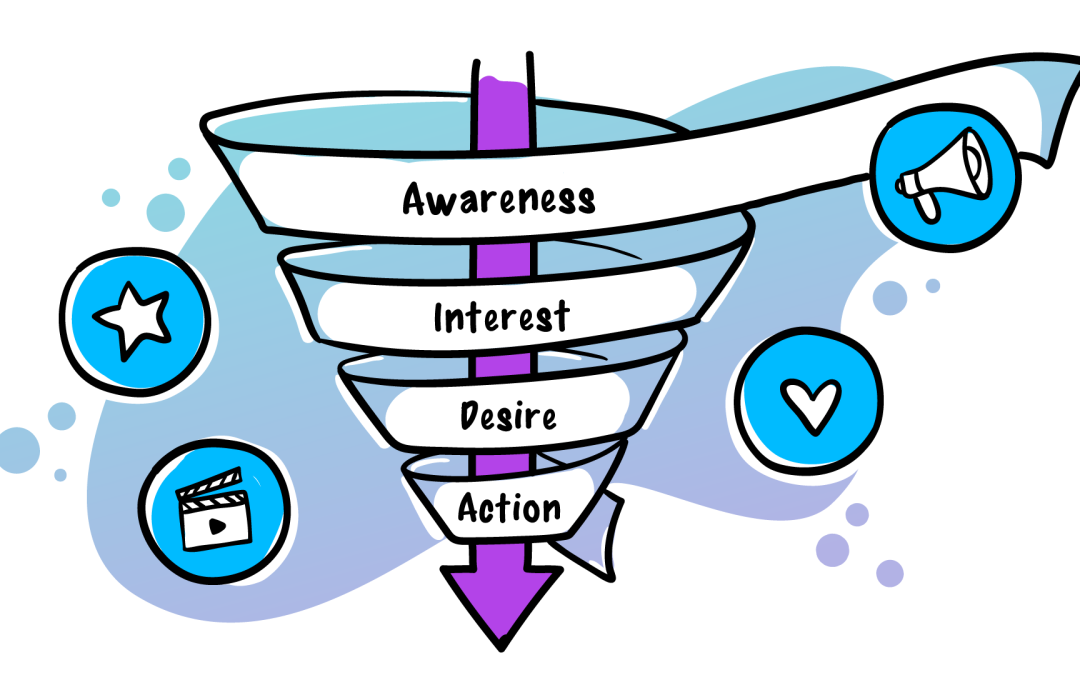
A Google Ads funnel strategy maps specific campaign types, bidding strategies, and audience targeting to each stage of the buyer’s journey — awareness, consideration, and conversion. Instead of running one campaign and hoping it serves every purpose, you build separate campaigns that meet prospects where they are and move them toward purchase through a deliberate sequence.
The case for this approach is well-documented. Nielsen’s meta-analysis of CPG campaigns found that full-funnel strategies deliver up to 45% higher ROI than single-stage campaigns. Brands that added upper or lower-funnel campaigns to their existing mid-funnel tactics saw 52% more incremental sales. The performance gap between funnel-aligned accounts and single-campaign accounts compounds over time.
This guide covers the campaign types that work at each funnel stage, the audience targeting that connects one stage to the next, budget allocation across stages, bidding strategies by objective, and the measurement framework that proves whether each stage is doing its job.
The Funnel Structure at a Glance
| Stage | Objective | Campaign Types | Primary KPIs | Audience | Budget % |
|---|---|---|---|---|---|
| TOFU (Awareness) | Reach new prospects | Video Reach, Display, Demand Gen | Impressions, reach, CPM, view rate | Cold: demographics, affinity, similar | 20-30% |
| MOFU (Consideration) | Build interest and trust | Search (non-brand), Demand Gen, Video View, Shopping | CTR, engagement, CPC, content downloads | Warm: in-market, custom segments, site visitors | 30-40% |
| BOFU (Conversion) | Convert high-intent prospects | Search (high-intent), Shopping, PMax, RLSA | Conversions, CPA, ROAS, revenue | Hot: remarketing, cart abandoners, Customer Match | 30-40% |
| Retention | Maximize lifetime value | RLSA, Customer Match, Display remarketing | Repeat purchase rate, LTV, ROAS | Existing customers: CRM lists, past purchasers | 10-15% |
These percentages are starting points. New brands with no audience should weight TOFU higher (up to 40%). Established brands with large remarketing pools should weight BOFU and Retention higher.
Top of Funnel: Awareness Campaigns
The Goal
Introduce your brand to people who don’t know you yet. TOFU isn’t about conversions — it’s about building the audience pool that feeds your lower-funnel campaigns. Every remarketing list, every branded search query, every repeat visit begins with a TOFU touchpoint.
Campaign Types
Video Reach Campaigns — maximize unique reach across YouTube inventory (skippable in-stream, non-skippable, bumper ads, Shorts). Google’s AI distributes your budget across formats for the lowest cost per unique reach. YouTube is the single most effective TOFU format on Google Ads — 75% of users say YouTube advertising makes them more aware of new brands.
Display Campaigns — visual ads across Google’s Display Network (2+ million websites and apps, reaching 90%+ of internet users). Lower engagement than video but broader reach at very low CPMs.
Demand Gen (awareness use case) — image and video ads across YouTube, Gmail, and Discover feeds. Demand Gen’s visual-first format performs well for brand introduction content. Use the awareness objective to maximize reach rather than conversions.
Targeting
Cast a wide net. TOFU targeting should be broad enough to build a meaningful audience:
- Demographics (age, gender, location)
- Affinity audiences (long-term interests and habits)
- Similar/lookalike audiences based on your existing customers
- Topic targeting (reach users consuming content related to your category)
Avoid stacking too many targeting layers at TOFU — over-narrowing your audience at the awareness stage defeats the purpose. Aim for audience sizes of at least 500,000 to give the algorithm room to optimize.
Creative
Educate and introduce. Don’t sell. TOFU creative should highlight the problem you solve, introduce your brand identity, and create enough curiosity that viewers remember you when they encounter your brand again. Keep videos under 15-30 seconds. Lead with a hook in the first three seconds. Include your brand name and logo early so that even viewers who skip still register your brand.
Bidding
CPM (cost per thousand impressions) or Target CPM for Display and Video. Max Clicks if running Search campaigns for broad educational keywords. The goal is maximum exposure at the lowest cost per impression, not conversions.
The TOFU-to-MOFU Handoff
Every TOFU campaign should feed a remarketing list. Create audience segments for YouTube viewers (watched 25%, 50%, 75%, or 100% of your video), Display ad clickers, and website visitors from TOFU landing pages. These segments become your MOFU targeting pool. Without this handoff, your TOFU spend is disconnected from your conversion campaigns.
Middle of Funnel: Consideration Campaigns
The Goal
Deepen engagement with people who know your brand but haven’t converted. MOFU prospects have a problem, know solutions exist, and are evaluating options. Your job is to build preference for your solution over alternatives.
Campaign Types
Search Campaigns (non-brand, commercial intent) — target keywords where users are researching solutions. “Best project management software for remote teams,” “CRM comparison for small business,” “[competitor] alternatives.” These queries signal active evaluation, not purchase readiness.
Demand Gen Campaigns (engagement use case) — image and video ads across YouTube, Shorts, Gmail, and Discover that target warmer audiences. Demand Gen replaced Discovery campaigns and delivers engaging visual content to users who’ve shown interest signals.
Video View Campaigns — optimize for cost-per-view (users who watch 30+ seconds). Use for product demos, customer testimonials, and explainer videos that build understanding and trust. Pair with remarketing audiences from your TOFU campaigns.
Shopping Campaigns (browsing intent) — Shopping ads let users compare products visually before clicking. Users see images, prices, and store names. This visual comparison stage naturally fits MOFU because users are evaluating options rather than completing purchases.
Targeting
Shift from broad to warm:
- In-market audiences — users Google has identified as actively researching products in your category
- Custom segments — built from keywords describing purchase intentions, URLs of competitor websites, and apps your prospects use
- TOFU remarketing audiences — website visitors, video viewers, and ad engagers from your awareness campaigns
- Similar audiences based on your converter profiles
Creative
Show proof. MOFU creative should demonstrate why your solution is the right choice. Product demos, customer testimonials, case studies, feature comparisons, and educational content that positions your expertise. Address common objections and differentiate from competitors.
Ad copy should build credibility: include seller ratings (requires 100+ reviews), specific results (“45% faster onboarding”), and trust signals (certifications, client logos, award badges).
Bidding
Maximize Clicks or Manual CPC for Search campaigns where you want traffic to consideration content. Target CPA if you’re optimizing for lead magnet conversions (content downloads, webinar signups). CPV (cost-per-view) for Video View campaigns.
The MOFU-to-BOFU Handoff
Create remarketing segments from MOFU engagement: users who visited product pages, watched product demos past 50%, downloaded lead magnets, visited pricing pages, or added items to cart. These high-intent behaviors define your BOFU audience. The more granular your MOFU segmentation, the more precisely you can target and message at BOFU.
Bottom of Funnel: Conversion Campaigns
The Goal
Convert high-intent prospects into customers. BOFU targets people who know your brand, understand your solution, and are close to making a decision. Every element — keywords, creative, landing pages, bidding — should focus on removing the last barrier to purchase.
Campaign Types
Search Campaigns (high-intent keywords) — target transactional queries containing “buy,” “order,” “pricing,” “demo,” “free trial,” specific product names, and brand terms. Use exact match and phrase match for maximum relevance. These are your highest-converting, highest-value keywords.
Performance Max — runs across all Google networks (Search, Shopping, YouTube, Display, Gmail, Discover, Maps) from a single campaign. PMax works best at BOFU when it has strong conversion data to optimize from, quality creative assets, and audience signals (your remarketing lists and Customer Match data) guiding its targeting. PMax is the natural BOFU campaign type for ecommerce businesses with product catalogs.
Shopping Campaigns (purchase intent) — when paired with high-intent queries and competitive pricing, Shopping ads drive direct purchases. Standard Shopping gives you more control; PMax gives you broader reach with AI optimization.
RLSA (Remarketing Lists for Search Ads) — adjust bids or show different ads when people on your remarketing lists search for your keywords. RLSA users convert at significantly higher rates than cold searchers. Bid 40-70% higher for cart abandoners and pricing page visitors.
Display/Video Remarketing — show ads to high-intent audiences (cart abandoners, product page viewers) across the Display Network and YouTube. Dynamic remarketing shows users the specific products they viewed.
Targeting
Hot audiences only:
- Cart abandoners (visited checkout but didn’t complete)
- Pricing/demo page visitors
- Product page viewers who spent significant time
- Customer Match lists (CRM contacts who haven’t converted)
- High-intent search queries with transactional modifiers
Creative
Create urgency and remove friction. BOFU ad copy should include specific offers (discounts, free shipping, free trial), urgency signals (“Offer ends Friday,” Google’s countdown ad customizer), social proof (star ratings, review counts, customer testimonials), and clear CTAs (“Start Your Free Trial,” “Get 20% Off Today”).
Landing pages should match the ad promise exactly, have a single clear CTA, remove navigation and competing links, include trust signals (security badges, money-back guarantee), and load in under 2.5 seconds on mobile.
Bidding
Conversion-focused bidding exclusively. Target CPA, Target ROAS, Maximize Conversions, or Maximize Conversion Value. These Smart Bidding strategies use machine learning to optimize for conversions in every auction based on device, location, time, and user signals. Set targets based on actual achieved performance, not aspirational goals.
Retention: Post-Purchase Campaigns
The Goal
Maximize customer lifetime value through repeat purchases, upsells, cross-sells, and loyalty. Returning customers spend 67% more than first-time buyers and convert at rates above 50% when they’ve made two or more prior purchases.
Campaign Types
Customer Match — upload your customer email list and target past buyers across Google’s ecosystem when they search for related products. A customer who bought running shoes six months ago and now searches for “running socks” is a high-probability conversion.
RLSA for past buyers — bid higher when previous customers search for products in your catalog. Show ad copy that acknowledges their existing relationship: “Welcome back — 15% loyalty discount.”
Display/Video Remarketing — target past purchasers with cross-sell and upsell messaging. For consumable products, time your remarketing to coincide with typical replenishment cycles (if your product lasts 60 days, start remarketing at day 40).
Targeting
Existing customers only, segmented by purchase recency, frequency, and value (RFM):
- Recent buyers (last 30 days) — cross-sell related products
- Lapsed buyers (90-180 days) — win-back offers
- High-value buyers — VIP offers, early access, loyalty incentives
- Product-specific segments — target complementary products based on what they bought
Budget Allocation
Allocate 10-15% of total Google Ads budget to retention. The cost per conversion from existing customers is dramatically lower than from new prospects, so this allocation produces outsized returns relative to spend.
Connecting the Stages: The Audience Flow
The funnel only works if audiences flow between stages. Without deliberate audience handoffs, each campaign operates in isolation.
TOFU → MOFU: Build remarketing lists from every TOFU campaign. YouTube viewers who watched 50%+, Display ad clickers, and website visitors from awareness landing pages all enter your MOFU targeting pool. Set up these audiences before launching TOFU campaigns — you want the data collection running from day one.
MOFU → BOFU: Segment MOFU engagers by intent signals. Product page viewers, pricing page visitors, lead magnet converters, and video viewers who watched demos past 50% move into BOFU remarketing lists. Cart abandoners get their own dedicated segment with the highest bid adjustments.
BOFU → Retention: Every converter enters a Customer Match or remarketing list that feeds your retention campaigns. Exclude recent converters from your BOFU prospecting campaigns (they already bought — you don’t need to pay to reach them again).
This audience flow creates a self-reinforcing system: TOFU builds the audience, MOFU qualifies it, BOFU converts it, and Retention maximizes its value. Each stage feeds the next.
Measurement by Funnel Stage
Each stage has different success metrics. Measuring TOFU by conversion rate or BOFU by impressions produces misleading conclusions.
TOFU metrics: impressions, unique reach, frequency, CPM, video view rate, brand search lift (did branded searches increase after TOFU campaigns launched?), remarketing list growth rate.
MOFU metrics: click-through rate, cost per click, engagement rate, content download/lead conversion rate, time on site from MOFU traffic, remarketing list growth from MOFU to BOFU audiences.
BOFU metrics: conversion rate, cost per acquisition, ROAS, revenue, cart abandonment recovery rate, RLSA performance vs standard search.
Retention metrics: repeat purchase rate, customer lifetime value, cross-sell/upsell conversion rate, ROAS from Customer Match campaigns.
Track these in Google Analytics 4 using funnel exploration reports. Connect Google Ads to GA4 for cross-campaign attribution. Use data-driven attribution (rather than last-click) to understand how TOFU and MOFU campaigns contribute to BOFU conversions — last-click attribution systematically undervalues upper-funnel campaigns.
Frequently Asked Questions
How much budget should I allocate to each funnel stage?
Start with 20-30% TOFU, 30-40% MOFU, 30-40% BOFU, and 10-15% Retention. Adjust based on your business stage: new brands should weight TOFU higher (up to 40%) to build audience. Established brands with large remarketing pools can weight BOFU and Retention higher. Review allocation quarterly based on where conversions are most efficient and where remarketing lists need replenishing.
Can I skip the top of funnel and only run conversion campaigns?
You can, but your results will plateau. BOFU campaigns target people who already know your brand — once you’ve converted the available high-intent audience, there’s no one left to convert. Without TOFU campaigns feeding new prospects into your remarketing lists, your BOFU audience pool shrinks over time. TOFU campaigns don’t produce immediate conversions, but they produce the audiences that BOFU campaigns convert.
Where does Performance Max fit in the funnel?
PMax operates across the entire funnel but works best as a BOFU or full-funnel campaign. It runs on all Google networks simultaneously and uses AI to find converting users wherever they are. For ecommerce with product catalogs, PMax is the primary BOFU campaign type. Add your remarketing lists and Customer Match data as audience signals to guide PMax toward your warmest prospects. Monitor PMax’s channel performance breakdown to ensure it’s spending on conversion-friendly surfaces rather than leaking budget into Display impressions.
How do I know if my TOFU campaigns are working if they don’t produce conversions?
Track TOFU success through leading indicators: remarketing list growth rate (are you adding enough people to your MOFU/BOFU pools?), brand search volume (did branded searches increase after launching TOFU?), and assisted conversions in GA4 (do TOFU touchpoints appear in the conversion paths of people who ultimately purchase?). Data-driven attribution in GA4 assigns fractional credit to upper-funnel touchpoints, showing their contribution even when the last click happens through a BOFU campaign.
How long should I run a funnel strategy before evaluating results?
Allow at least 8-12 weeks for a full-funnel strategy to produce measurable results. TOFU campaigns need time to build remarketing pools. MOFU campaigns need those pools to reach meaningful size. BOFU campaigns need conversion data for Smart Bidding to optimize effectively. Evaluating a funnel strategy after two weeks will lead you to kill upper-funnel campaigns that haven’t had time to feed the lower funnel — which is the most common mistake advertisers make with funnel strategies.
-150x150.png)