by yestupa | Feb 14, 2026 | Marketing Tips
Marketing 101 goes beyond fancy strategies and big budgets—results matter most. Companies that prioritize marketing are 6 times more likely to boost their sales and income. The fundamentals of marketing remain surprisingly simple, whether you start a side hustle or grow your 5-year-old business.
Many beginners feel overwhelmed by complex marketing advice when they just need simple steps to land their first customer. Let’s skip the advanced tactics and focus on marketing fundamentals that drive real results. You can create marketing campaigns that convert browsers into buyers by getting these foundational elements right. The numbers speak for themselves—businesses earn $44 for every dollar they invest in email marketing.
The path to winning your first customer doesn’t require complicated jargon or complex strategies. This piece breaks down the simple marketing basics you need. We’ll explore marketing’s true meaning and build systems that help turn one customer success into many more.
Understand What Marketing Really Means
Marketing is often seen as just clever ads and catchy slogans. But the American Marketing Association defines it as “the activity, set of institutions, and processes for creating, communicating, delivering, and exchanging offerings that have value for customers, clients, partners, and society at large”. This definition shows that marketing is a detailed system, not just a promotional tactic.
Why marketing is more than just advertising
Thinking marketing is only about advertising and sales limits your potential success. Marketing basics go far beyond these visible elements. At its core, marketing is about identifying and meeting customer needs while achieving business goals.
Marketing has several interconnected components:
- Market research to understand customers
- Product development based on customer needs
- Pricing strategy that communicates value
- Distribution planning (where and how customers find you)
- Promotion through various channels
- People and processes that deliver your promises
Marketing focuses on understanding needs, priorities, and behaviors. It orchestrates everything—creating an ecosystem of intent, strategy, culture, and communication that builds resonance and revenue.
The role of marketing in getting your first customer
The trip to your first customer win starts with effective marketing. The customer acquisition process means bringing new customers into your business through a refined sales strategy. Without a steady stream of new customers, growing or even maintaining your current pace becomes challenging.
Marketing guides potential customers through the “acquisition funnel”:
- Awareness: Introducing your brand to capture attention
- Interest: Providing useful information about what you do
- Consideration: Showing how you solve specific problems
- Conversion: Making the purchase process smooth and clear
- Onboarding: Helping customers get started with your product
Marketing acts as the bridge between your business and potential customers. It introduces, educates, and persuades. Above all, it grows your revenue, as every new customer adds to your bottom line and helps increase sales over time.
How marketing connects product and people
The basic contours of marketing rest on three foundational ideas that connect products with people:
Customer orientation forms the foundation of all marketing activities. Every decision, from product design to messaging, should be tailored to customer needs and expectations. This connection isn’t merely transactional—consumers increasingly seek products that help them feel grounded, connected to place, people, and past.
Value exchange stands as another significant element. Effective marketing creates mutual benefit where the business earns revenue or loyalty, while the customer gains a meaningful solution to their problem.
Integrated strategy completes this triad. Success depends on alignment across all marketing elements. When product, price, promotion, people, and process work together, marketing becomes more efficient.
Beyond functional benefits, marketing builds emotional connections. To cite an instance, craft beer accounted for 13.6% of total U.S. volume sales in 2019, growing 4% even while overall beer sales dropped by 2%. This success stemmed from consumers’ desire for products with authentic connections to place and people.
Strong marketing doesn’t simply promote features—it creates a sense of belonging. Research shows that groundedness increases product attractiveness and consumers’ willingness to pay. By understanding these marketing basics, you can create stronger bonds between your product and the people who need it.
Know Your Customer Before You Do Anything Else
A simple truth forms the foundations of successful marketing: you must know your customers before spending money on promotion. Companies waste USD 37.00 billion yearly on ads that fail to reach their target audience. I’ve watched this pattern repeat – new marketers get excited about their product and rush to spread the word. Your marketing efforts become scattered and fail to work without a clear picture of who needs to hear your message.
How to define your target audience
Your target audience represents people most likely to want your product or service. You’ll need to look at traits like age, gender, income, location, and interests to identify this group. Here are practical ways to define your audience:
- Study your existing customer base by perusing demographics, purchasing behavior, and feedback
- Get involved on social media to observe follower interactions and use social listening tools
- Ask current customers through surveys and interviews to gather direct feedback
- Watch your competition to see who they target and how
- Track visitor behavior on your website with analytics tools like Google Analytics
This step is vital because it helps you aim your marketing fundamentals at the right people instead of wasting resources trying to reach everyone. On top of that, it lets you craft messages that speak to specific needs and pain points.
Creating a simple buyer persona
A buyer persona creates a semi-fictional profile that represents your ideal customer based on market research and real data from your existing customers. Picture it as building a character that embodies your target audience’s traits, behaviors, and motivations.
Your effective buyer persona should include these elements:
- Demographics: Age, gender, location, income, education
- Professional information: Job title, industry, responsibilities
- Psychographics: Values, goals, challenges, interests, lifestyle
- Buying behavior: Preferred channels, decision-making process
Companies using buyer personas see 73% higher conversions than those who don’t. This dramatic difference occurs because personas help you understand your customers’ perspective and what drives their decisions.
Keep it simple – start with one or two personas, then refine them as data comes in. Give your persona a name that feels real (like “Marketing Manager Mike” or “Entrepreneur Emma”). The core team can better visualize and understand their target audience this way.
Avoiding the ‘everyone is my customer’ trap
The sort of thing I love seeing new marketers struggle with is believing their product suits “everyone.” This mindset becomes dangerous because your message resonates with no one when you try reaching everyone.
Marketing to everyone weakens your message and drains your budget. Your focus should narrow down to these questions:
- Who would benefit most from your product?
- Who knows how to pay and wants to?
- Where does your product solve a genuine problem?
Your target market shouldn’t be too specific either. An overly narrow focus leaves you with very few leads and prospects. Success comes from finding balance – enough potential customers while maintaining a focused approach.
Note that your target audience should guide marketing decisions while supporting business growth. You can refine your understanding and find new valuable segments as you gather data from early customers.
Craft a Simple Offer That Solves a Real Problem
Marketing gets real when you create an offer—it connects your audience knowledge to your first sale. Your offer must solve a real problem to stand out in a crowded marketplace. Simple products can succeed when they clearly solve specific pain points.
What makes a good offer?
Customers notice compelling offers that contain these key elements:
- Clarity over creativity — Your offer must pass the “blink test” – customers should understand it within 3 seconds. Remove words that don’t make things clearer.
- High perceived value — Customers should see your offer as a bargain while you keep it profitable. Free items work well since a customer’s lifetime value usually exceeds the upfront costs.
- Believability — Nobody responds to offers that seem unrealistic. “Buy one, get one” deals work because customers see them as logical.
- Genuine urgency — Give real reasons to act now, like actual limited stock or data showing delay risks.
- Minimal effort to get — Keep things simple. Nobody likes complicated forms. Test everything on different devices.
Your offer must showcase what sets your product apart from others. Dyson’s vacuum cleaners are a perfect example – they stood out by introducing cyclone technology that solved the problem of clogged filters.
How to arrange your product with customer needs
Understanding your audience’s pain points starts the problem-solving process. Surveys, interviews, and focus groups help you learn about frustrations that drive purchases. This knowledge helps you create offers that really connect with people.
The Value Proposition Canvas helps map customer jobs, pains, and gains. This visual tool shows how your product matches what customers need. You build trust by showing how your product solves specific problems. Trust forms the foundations of marketing fundamentals.
Customer need arrangement comes next—your offerings should match your customer’s priorities and expectations. This approach boosts satisfaction and promotes loyalty. Customers stick with brands that meet their needs consistently.
The “Five Whys” technique improves arrangement. Start with customer feedback, then ask “why” five times to find why it happens. This reveals deeper problems your offer can fix.
Examples of beginner-friendly offers
New marketers find success with these proven offers:
Free valuable resource — Dentists who offer free teeth whitening or chiropractors with free massages (worth $260) get great responses because customers see high value at no cost.
Limited-time promotions — Philips Media boosted their digital video platform by offering free chocolates with Forrest Gump purchases. They added an expiration date to push quick decisions.
Free trial period — Services benefit from this approach. Customers experience the value before spending money, which reduces their risk.
Buy one, get one (BOGO) — These offers succeed because they make sense and show clear value. Extra items at no extra cost are hard to resist.
Entry-level product at reduced price — This “tripwire” approach uses lower-priced items to welcome customers before offering premium products.
Solving real problems remains the key principle in all these examples. Fleetwood Homes proved this by including a home entertainment package with their houses. Their target customers had limited spare money, which made electronic additions very attractive. This simple match between offer and need tripled their sales quotas.
Pick the Right Channel to Reach Your First Customer
With your customer defined and offer crafted, the next marketing question becomes critical: where will you find your first customer? The channel you choose can make the difference between rapid success and wasted effort. The right channel puts your message directly in front of people ready to buy.
Overview of low-cost marketing channels
The good news for beginners is that many effective marketing channels don’t require a big investment. Some of the most powerful options cost little beyond your time and creativity:
- Social media marketing – Platforms like Facebook, Instagram, and TikTok offer both free organic opportunities and targeted paid ads starting at minimal budgets.
- Email marketing – Still considered “king” with an astounding $36 return for every $1 spent.
- Word-of-mouth – Offline conversations remain surprisingly powerful and often more persuasive than online equivalents.
- Online communities – Forums and groups related to your industry provide opportunities for genuine connection.
- Content creation – Blogs, podcasts, and videos that educate your audience establish expertise.
The fundamental marketing principle here is focus over fragmentation. A concentrated approach on one or two key channels consistently outperforms scattered efforts across many. For small businesses with tight budgets, this focused approach stretches marketing dollars effectively.
How to choose based on where your audience is
The best-performing channels aren’t necessarily the trendiest—they’re simply where your audience already spends time. Confirm which platforms your target customers frequent and what content formats they respond to, whether that’s short-form video, newsletters, or long-form education.
Channel selection should follow these principles:
- Define channel purpose – Every channel should serve a specific role in your marketing fundamentals, whether building awareness, driving acquisition, or nurturing retention.
- Analyze competitor presence – Look for channels where competitors are not dominant, as these often yield better ROI and creative opportunities.
- Match channel to customer journey – Different channels work better at different stages of the purchasing process.
- Consider required resources – Assess whether you have the skills (copywriting, design, analysis) to manage the channel effectively.
Choosing channels without strategy leads to wasted resources. Most successful digital marketing strategies use multiple channels in ways that complement each other. For example, social media builds brand awareness and encourages email list sign-ups.
Social media vs. email vs. word-of-mouth
Each of these popular channels offers distinct advantages within your marketing basics toolkit:
Social media has massive reach with billions of monthly active users across multiple platforms, making it excellent for building brand awareness. Its inexpensive entry point makes social media available for businesses of all sizes. Social media excels at introducing people to new brands they might enjoy.
Email marketing, on balance, delivers more direct results. It typically has a higher conversion rate and greater ROI than social media marketing. Email allows for targeted and personalized communication with customers, increasing conversion likelihood. People expect to receive promotional material in email for which they’ve subscribed.
Word-of-mouth, despite being overlooked in many marketing plans, remains incredibly effective. Research shows that 50% of consumers are very likely to make a purchase decision based on a real-life conversation. Word-of-mouth isn’t just happening online—half of all word-of-mouth takes place offline, and these offline conversations are often more persuasive.
The ideal approach isn’t choosing one channel exclusively but integrating multiple channels into a cohesive marketing strategy. For instance, a local bakery might run targeted Instagram ads while offering samples at a weekend farmers’ market—the online ads create awareness while in-person interaction builds trust.
The basic marketing fundamentals here center on channel efficiency. By tracking metrics like Customer Acquisition Cost (CAC) for each channel, you can identify which ones deliver the best returns. Marketing success comes from being where your customers are, with a message they want to hear.
Create a Message That Gets Attention
Your brilliant offer means nothing if your message fails to grab attention. You have mere seconds to capture interest in today’s information-saturated world—studies show 80% of people read headlines, but only 20% continue reading the content. The message you craft becomes your gateway to that first customer win.
Simple ways to write a clear value proposition
A value proposition is a vital statement that explains why customers should choose your product over others. The “We help (X) do (Y) by doing (Z)” formula helps crystallize your unique benefit. A good value proposition answers three key questions about your brand: “Why me? Why my product? And why now?”
To craft a compelling value proposition:
- Focus on clarity over cleverness – Direct statements consistently outperform clever puns or complex wordplay
- Speak directly to customer needs – Address what your audience truly cares about
- Show what makes you different – Highlight your unique benefits compared to competitors
- Write at an 8th-grade reading level – Make it available by avoiding jargon and complex terminology
Note that potential customers care about one thing: what’s in it for them. Put every sentence under the “so what?” microscope. If it doesn’t clearly show value to the reader, revise or remove it.
How to write headlines that make people stop
Headlines create the first impression of your marketing message. They also affect your search engine visibility by a lot since search engines give more weight to words used in headlines.
Effective headlines share these common characteristics:
- Use active voice – Keep your prose punchy and direct (“I threw the ball” vs. “The ball was thrown by me”)
- Stay short and snappy – Headlines should rarely break onto a second line
- Incorporate numerals – They break text monotony and set clear expectations, with odd numbers standing out more
- Add trigger words – Terms like “what,” “why,” “how,” and “when” spark curiosity
- Create urgency – Give authentic reasons why customers should act immediately
Picture the “Late to Work” mindset when crafting headlines: Your dream client is driving, late for work. What single sentence would make them pull over and beg to hear more?
Using emotion and clarity to connect
Emotional appeal creates the foundation of effective marketing messages. You win the heart first, and the mind will create logic to justify what the heart has already decided.
To create emotional resonance:
- Tap into deeper emotional drivers – Look beyond surface feelings like frustration to deeper emotions such as shame (“Why can’t I figure this out?”) or relief (“Thank God someone finally gets it”)
- Describe moments, don’t name emotions – Instead of saying “You’re overwhelmed,” write “You’re doing all your marketing yourself. Posting, emailing, tweaking your website and somehow still feel behind”
- Connect emotion to motivation – Link the feeling to action by showing the path forward
- Balance functional and emotional elements – The most successful marketing blends both rational benefits and emotional appeal
Marketing fundamentals need a balance of clarity with emotional impact. Your message should be easy to understand while triggering an emotional response that motivates action. Weather reports can tell you “it’s cold” or make you feel the cold air stinging when you breathe in. Your marketing message should make customers feel something, not just inform them.
Launch Your First Campaign Without Overthinking It
Your marketing plan needs to spring into action now. Many beginners get caught in endless preparation, but action creates results faster than perfectionism. You just need decisiveness and a willingness to learn through experience to take your first marketing step—not complex systems or big budgets.
What a ‘minimum viable campaign’ looks like
Minimum Viable Marketing (MVM) applies lean startup principles to your promotional efforts. This approach treats campaigns like products and focuses on simple elements that drive learning and improvement. A minimum viable campaign has:
- A single, clear objective (like generating leads or promoting a new product)
- One main marketing channel where your target audience spends time
- A compelling message that speaks directly to customer needs
- A simple way to track results
- A small budget (often just a few hundred dollars) to test concepts
This quickest way helps you spot potential risks and areas to improve before you commit substantial resources. A CPG startup tested different packaging designs through small Facebook and YouTube ad campaigns. They spent just a few hundred dollars before finding a design that struck a chord with Walmart customers.
How to set up your first post, email, or ad
Your first campaign needs to focus on these practical elements:
Start with content that follows the inverted pyramid model. Your key message should come first, supported by visuals and a clear call-to-action button. Adults have an average attention span of only eight seconds, so keep emails brief with scannable text.
You should segment your email audience into small groups to learn which messages get more opens and clicks. Social media campaigns work best when you test different keywords or ad texts with limited budgets to see what drives more conversions.
Keep in mind that your first campaign serves two clients: your target audience and your company. Think of it as an experiment rather than a guaranteed win.
Tracking basic results without fancy tools
You don’t need expensive software or complex dashboards to measure success. Here’s what to do:
- Define what success means specifically for your campaign—more inquiries, sales, subscribers, or repeat customers
- Track actions instead of vanity metrics like likes or views—focus on form submissions, email signups, or purchases
- Ask new customers directly how they found you—this reveals more than any tool
- Use UTM parameters in your links to identify which marketing efforts worked
- Track these basics in a simple spreadsheet to spot patterns over time
Your results become unclear when you change multiple campaign elements at once. Make small adjustments, watch what happens, and use what you learn to improve your next campaign.
Learn From What Happens Next
The real learning starts after your marketing campaign goes live. Your first customer win is a great way to get data that shapes your future marketing fundamentals. Smart marketers don’t just launch and hope—they watch, measure, and optimize based on actual results.
What to look for after launch
Right after launching your campaign, track these key performance indicators:
- Sales and revenue trends – Often the most direct indicators of a product launch’s success
- Click-through and conversion rates – These reveal how your message resonates with your audience
- Customer engagement – Track how users interact with your content and product
- Traffic sources – Identify which channels bring quality visitors versus casual browsers
Unexpected patterns deserve your attention too. High traffic with few conversions might mean your message works but your offer needs work. Similarly, abandoned shopping carts point to possible friction points in your checkout process.
How to ask for feedback from early users
Early customer feedback is gold for marketing 101 success. You should set up multiple channels to gather insights:
Start by adding simple in-app feedback tools or widgets that let users share thoughts while using your product. Next, send short, focused surveys using simple tools like Google Forms—keep questions specific so new customers don’t feel overwhelmed. You can also schedule direct interviews with early adopters who provide deeper context about their experience.
Your brand’s social conversations need monitoring too. Did your launch spark unexpected reactions? The core team might be getting specific questions or concerns. These signals often show which marketing basics need attention.
Making small changes based on real data
Data collection should lead to targeted adjustments:
Patterns in the data should guide your changes. Many users mentioning navigation issues means you should prioritize interface improvements. Content that performs exceptionally well signals an opportunity to create similar material quickly.
Marketing fundamentals include testing variations through A/B testing—changing one element at a time shows what optimizes results. This methodical approach helps you avoid changing multiple factors at once, which makes it impossible to identify what caused the results.
Note that even disappointing launches teach valuable lessons. Each campaign reveals something about your audience, product positioning, and market conditions—making your next marketing effort stronger.
Build on Your First Win With Simple Systems
A business needs more than just that first customer win to build lasting success through simplified processes. Simple systems that you apply consistently work better than complex strategies for sustainable growth.
Why consistency beats complexity
Smart brands know that consistency builds recognition and trust. Research by Lucidpress reveals that a consistent brand presence across platforms can boost revenue up to 23%. Being consistent doesn’t mean being rigid – you just need to be intentional and recognizable with your marketing 101 fundamentals.
Your brand’s consistency across touchpoints shows professionalism and reduces customer confusion. A consistent approach builds emotional connections that promote customer loyalty better than occasional brilliant campaigns, even with limited resources.
How to turn one customer into three
The foundation of any solid marketing strategy transforms current clients into brand ambassadors. Here are the marketing basics you need:
- Set up referral programs that reward customers who bring friends
- Gather and showcase testimonials that resonate with potential customers
- Create post-purchase processes to identify advocates for VIP treatment
Customer testimonials motivate new buyers more effectively than any content you write yourself. Your marketing fundamentals should include ways to collect and share these powerful endorsements.
Using basic marketing tools to stay organized
The right integrated tools save time and deliver results. Your first 90 days should focus on the essentials: claim your Google Business Profile (weeks 1-2), launch a basic website (weeks 2-4), set up email collection (weeks 4-6), establish social media presence (weeks 6-8), and begin content creation (weeks 8-12).
Tools like MailChimp (for up to 2,000 subscribers) and Buffer (for scheduling social posts) give you powerful features without complexity. Marketing automation tools cut down manual work so you can create influential campaigns.
Conclusion
Marketing success doesn’t need complex strategies or huge budgets. In this piece, we’ve cut through the noise to show what actually works to win your first customer. Marketing is more than just advertising—it’s a complete system that connects your product with people who need it.
Success starts when you know exactly who your customers are. A clear picture of your audience helps create targeted messages instead of wasting resources on random approaches. This makes it easier to craft a simple offer that solves real problems.
Without doubt, picking the right channel makes all the difference. You must meet your customers where they spend time, whether it’s social media, email, or word-of-mouth. Your message needs to connect emotionally and show clear value to stand out.
Many beginners get stuck trying to make everything perfect. Taking action gets results faster than endless planning. Start with a basic campaign, learn from the results, and adjust. Even setbacks teach valuable lessons for your next marketing push.
Long-term success comes from turning that first win into a system you can repeat. Simple beats complex every time. Basic tools and well-planned processes help turn one customer into three through referrals and testimonials.
These marketing basics work because they connect real solutions with real people. Take your first step today, track what happens, and build from there. Your first customer isn’t just a sale—it’s the start of your marketing future.
FAQs
Q1. What are the key elements of a successful marketing strategy for beginners? A successful marketing strategy for beginners includes understanding your target audience, crafting a clear value proposition, choosing the right marketing channels, creating compelling messages, and consistently measuring and adjusting your efforts based on results.
Q2. How can I identify my target audience effectively? To identify your target audience, analyze your existing customer base, engage on social media, conduct surveys, study your competition, and use analytics tools. Create buyer personas that represent your ideal customers, including demographics, professional information, and buying behaviors.
Q3. What’s the best way to create a compelling offer for potential customers? A compelling offer should solve a real problem, have high perceived value, be believable, create genuine urgency, and require minimal effort to obtain. Focus on clarity over creativity and align your product with specific customer needs.
Q4. Which marketing channels are most effective for small businesses with limited budgets? Low-cost, effective marketing channels for small businesses include social media marketing, email marketing, word-of-mouth referrals, online communities, and content creation (blogs, podcasts, videos). Focus on one or two channels where your target audience is most active.
Q5. How can I measure the success of my first marketing campaign without expensive tools? To measure your first campaign’s success, define specific goals (e.g., inquiries, sales, subscribers), track actions rather than vanity metrics, ask new customers how they found you, use UTM parameters in links, and create a simple spreadsheet to monitor basic metrics and identify patterns over time.
by yestupa | Feb 13, 2026 | Google Ads
The right online advertising platforms can make or break your business success. Global advertising spend will hit $1 trillion by 2026. Small businesses put 5-10% of their revenue into digital marketing. Medium-sized businesses spend more, up to 14%. Retail businesses invest heavily, with marketing budgets reaching 30%.
Proven results should drive your advertising platform choices. Digital advertising platforms now take 68.7% of total marketing budgets. Businesses see a strong 200% ROI on their well-optimized campaigns. Google and Facebook lead the digital world, and 87% of marketers use both platforms. Google stands as the clear winner – 44% of marketers name it their best-performing platform. Facebook comes second at 25%.
Our analysis of top-performing paid advertising platforms will help you invest your budget wisely. This piece dives into what really works in 2026. You’ll learn each platform’s strengths and ideal use cases to get the most from your advertising spend.
Google Ads: The Search Giant Still Reigns
Google remains the life-blood of digital advertising platforms in 2026. The company’s unique experience in reaching users during key buying moments drives its success. New competitors emerge, but Google’s advertising ecosystem continues to grow through AI integration and improved targeting capabilities that keep it leading the industry.
Performance Max and AI-powered campaigns
Performance Max shows Google’s biggest leap forward in AI-driven advertising. This campaign type helps businesses promote products and services across all Google platforms—including YouTube, Display, Search, Gmail, and Maps—through a single campaign. Advertisers can now set business goals and let Google’s AI optimize budget, ad placements, and creative elements automatically instead of managing separate campaigns for each channel.
The numbers tell the story: advertisers using Performance Max campaigns see an average 18% increase in total conversions at similar cost per action. This success comes from Google’s sophisticated AI system that processes complex signals including user intent, behavior, and context in real time.
Performance Max works best when combined with traditional keyword-based search campaigns. Together, they create a detailed approach where Performance Max finds new converting queries while standard search campaigns target known high-value keywords. It also becomes more powerful with high-quality first-party customer data, which helps the system identify and target audiences similar to existing high-value customers.
Keywordless search and first-party data
Google’s current advertising approach features a fundamental change toward “keywordless” search targeting. Performance Max uses keywordless AI technology that goes beyond simple keyword matching to understand search intent. Advertisers can now find new converting queries that traditional keyword research might miss.
First-party data has become more significant as Google moves away from third-party cookies, which will disappear by the end of 2025. First-party data—information collected directly from customer interactions with products and services—are the foundations of privacy-centric advertising strategies.
Google shows that using first-party data in its advertising platforms improves performance by:
- Increasing customer match rates (up to 100% for known users)
- Enabling more accurate targeting of similar audiences
- Improving signal quality for machine learning algorithms
- Reducing reliance on third-party tracking
Google has introduced tools like Confidential Matching to encrypt and protect first-party data and Google Ads Data Manager to simplify first-party data connections.
Best for high-intent search traffic
Google Ads stands out from other advertising platforms through its unique ability to capture high-intent search traffic. Users who search with terms like “buy,” “purchase,” “order,” or “price” show clear buying intent. Google connects advertisers with these users right when they’re ready to make decisions.
Successful advertisers focus on three key strategies to work with high-intent traffic. They build campaigns around transactional phrases that filter out casual browsers. They target long-tail keywords that reach prospects further along the sales funnel. Their landing pages line up perfectly with user search intent, creating an uninterrupted experience that maximizes conversion potential.
Google’s Smart Bidding strategies boost performance by incorporating signals like location, device, and user behavior to automatically optimize bids in real time. This automation, combined with precise audience targeting through in-market segments, helps advertisers reach users who actively research products or services with clear buying intent.
Google remains the premier digital advertising platform for businesses looking for qualified leads and sales-ready prospects because it connects them with users actively seeking solutions.
Facebook Ads: Social Reach with Precision Targeting
Meta’s Facebook Ads platform dominates the digital advertising landscape with its precise audience targeting and massive reach. The platform connects billions of active users across Facebook, Instagram, Messenger, and WhatsApp, making it one of the most flexible advertising ecosystems for businesses of any size.
Custom and lookalike audiences
Facebook’s custom audience features remain its most valuable targeting tool, especially since privacy changes made third-party data harder to access. These audiences help you reconnect with people familiar with your business – website visitors, app users, or previous customers.
Customer lists have become crucial to show Meta who qualifies as a valuable customer. Ecommerce businesses should upload high-revenue audiences separately from lower-revenue ones. They should also use unsubscribers as negative targets to avoid spending on less promising prospects.
Lookalike audiences help find new people who share traits with your existing customers. You can select a percentage range that determines how closely your new audience matches your source audience. A smaller percentage (1-2%) creates closer matches but reaches fewer people. Larger percentages (5-10%) create broader audiences with less precise matching.
The best results come from customer lists with 1,000-5,000 people as your source audience. You can create multiple lookalike audiences from one source, which lets you test different audience sizes and fine-tune your campaigns.
Advantage+ campaigns and automation
Meta launched the Andromeda algorithm in 2024, which changed targeting fundamentally. The old method required advertisers to manually pick audiences based on interests or behaviors. Andromeda now controls targeting by using your ad creative to find the most relevant audience.
The Advantage+ campaign setup makes use of Meta’s best AI optimizations through Advantage+ audience, placement, and budget features. Advertisers who used Advantage+ sales campaigns saw their cost per conversion drop by 9% on average.
Broad targeting works better than manual interest-based targeting thanks to Andromeda’s machine learning. Many experts suggest targeting entire countries without age or gender selection. This gives the AI more data to find ideal customers. Local businesses still need geographic targeting – that’s the only exception.
AI has made ad account structure simpler. Many advertisers now combine everything into one main campaign instead of creating separate ones for cold and warm audiences. The algorithm figures out which users need retargeting and which are new to your content.
Cross-platform reach with Instagram
Facebook’s ad platform excels at optimizing campaigns across Meta’s ecosystem. Campaigns that run on multiple Meta platforms perform better than single-platform campaigns.
Data shows that campaigns across Facebook’s family of apps reached 7% more people than Facebook-only campaigns. They also produced 1.67 times more converters with 3.45 times more conversions. Users who saw ads across Facebook, Instagram, and Audience Network converted eight times more than those who only saw Facebook ads.
Meta’s placement optimization shows your ads in the most effective spots across platforms. Limiting ads to specific placements like “Instagram Reels only” reduces the algorithm’s effectiveness. “All Placements” helps the system find affordable conversions by adjusting sizing and placement automatically for each format.
Facebook Ads offer flexible lead generation, ecommerce growth opportunities, full-funnel advertising options, and advanced retargeting capabilities for businesses. Success depends on quality first-party data, engaging creative assets, and clear campaign goals.
YouTube Ads: Video Marketing at Scale
YouTube has become a game-changer among online advertising platforms. It gives advertisers unique video marketing opportunities that combine massive reach with precise targeting. Other digital advertising platforms focus on text and static images, but YouTube creates a canvas for storytelling through video.
Skippable vs non-skippable formats
YouTube’s ad formats cater to different marketing goals. Skippable in-stream ads show up before, during, or after videos. Viewers can skip these ads after 5 seconds. These ads can run for any length, though 15-30 seconds works best. Advertisers pay only when viewers watch at least 30 seconds or interact with the ad.
Non-skippable ads require viewers to watch the full ad before seeing their content. They come in three types: quick 6-second bumper ads, standard 7-15 second ads, and 30-second ads made for Connected TV. While some might see non-skippable ads as intrusive, they help viewers remember brands better.
Studies show that 76% of consumers skip ads without thinking twice. Non-skippable formats make sure your message reaches viewers completely. Advertisers should use these ads strategically – either to build brand awareness or as part of a bigger story.
YouTube Shorts and ad sequencing
YouTube Shorts has grown faster into a powerful advertising channel, reaching over 2 billion monthly logged-in users globally by 2023. Shorts ads – whether video or image – appear between Shorts in the feed. These ads reach unique viewers since 45% of YouTube Shorts users don’t use TikTok, and 65% stay away from Instagram.
Numbers prove YouTube’s effectiveness. Google-commissioned research shows YouTube delivers 2.3x better long-term return on ad spend than paid social. Kantar’s data reveals that creator ads on Shorts boost purchase intent by 8.8%, generating 2.9x more consumer spending interest versus competitors.
Video ad sequencing lets advertisers tell connected stories across multiple videos in a specific order. Google provides four templates:
- Introduce & reinforce: A long video followed by a short one
- Prompt & inspire: A short video leads to a longer one
- Attract & direct: Short-long-short sequence tells complete stories
- Engage & distinguish: Four short videos split narratives into parts
Best for brand awareness and storytelling
YouTube sets itself apart through its storytelling possibilities. Brands get creative freedom with few limits on format, length, or style – something unique among advertising platforms. Successful YouTube ads often break traditional patterns. About 44% used non-standard lengths, and 52% ran longer than 15 seconds.
This flexibility helps brands connect authentically with viewers. Volvo Cars showed its safety features in a four-minute film. Louis Vuitton created an 11-minute conversation between its fashion director and Emma Stone that kept viewers watching 20% longer than usual.
YouTube advertising on TV screens looks promising for 2026. A November 2025 study reveals 62% of U.S. agencies plan to use YouTube on TV screens, up from 60% earlier. YouTube advertising grew 51% in 2025 compared to 2024, with another 43% growth expected in 2026.
YouTube has become essential among digital advertising platforms. It appeals especially to brands that want to build awareness through compelling visual stories across multiple screens and formats.
LinkedIn Ads: B2B Targeting That Converts
B2B marketers who value quality over quantity will find LinkedIn as their best choice for digital advertising. The platform is now 20 years old and connects over 1 billion professionals worldwide. LinkedIn stands out from other advertising platforms because it lets you target users based on their professional identity, roles, industries, seniority, and company details.
Sponsored content and InMail
LinkedIn Sponsored Content shows up right in users’ feeds. This helps businesses connect with professionals where they spend most of their time. You can share your expertise, showcase products, and promote events effectively with this format. Your campaigns reach more people when you run multiple ads. You can create up to 5 ads at once by adding different images or videos.
Message Ads (formerly InMail) send tailored messages straight to prospects’ LinkedIn inboxes with one clear call-to-action. These messages really work – more than half of all prospects open a LinkedIn Message Ad. They get 166% higher open rates than regular email marketing. The most successful Message Ads:
- Keep content under 500 characters
- Include a clear, compelling call-to-action
- Use personalized greetings with the member’s name
- Feature senders with credibility relevant to the message
Both formats work with Lead Gen Forms that fill automatically with LinkedIn profile data. Members can submit their information with just a couple of clicks.
Account-based marketing features
LinkedIn offers exceptional account-based marketing (ABM) capabilities. This helps businesses focus on high-value accounts instead of broader audiences. LinkedIn Account Targeting lets marketers upload lists of target companies and match them against the platform’s 13+ million Company Pages.
The results speak for themselves. Pilot campaigns using LinkedIn Matched Audiences saw an average 32% increase in post-click conversion rates and 4.7% drop in post-click cost-per-conversion.
LinkedIn’s ABM strengths include:
- Precise targeting by job title, company size, and industry
- Retargeting capabilities to stay visible to prospects
- Integration with CRM systems for efficient workflow
- Ways to use social intelligence about prospects
LinkedIn continues to set itself apart from consumer networks in 2026. The platform keeps its focus on professional identity while developing new creative formats.
Ideal for professional services and SaaS
Professional services firms and SaaS companies looking for high-value clients get great results on LinkedIn. Professional services companies can reach decision-makers directly – including managing directors, finance officers, and procurement leads. This becomes especially valuable when you have long sales cycles or high contract values because it speeds up the process and builds connections with key stakeholders.
SaaS companies also benefit from LinkedIn’s ability to reach decision-makers and budget holders. The platform helps generate awareness and nurture high-quality leads throughout longer B2B sales cycles.
LinkedIn’s CPCs usually cost three to five times more than Google Ads, but the lead quality makes it worth the investment. Document Ads often give you the best mix of engagement and cost, especially at the top of the funnel.
LinkedIn stands out as the preferred channel for B2B marketers. Its targeted audience selection, professional environment, and evolving creative formats make it a powerful tool. This is particularly true for businesses selling high-consideration services and solutions to other organizations.
Amazon Ads: E-commerce Advertising Powerhouse
Amazon stands out among online advertising platforms by giving advertisers direct access to motivated shoppers ready to buy. Businesses that use Sponsored Products grow their sales 34% more on average than those who don’t. This makes Amazon’s advertising ecosystem vital for companies selling products.
Sponsored products and brands
Sponsored Products are CPC ads that showcase individual product listings within Amazon’s search results and product pages. These self-service ads come with no minimum spending requirement – advertisers pay only when shoppers click their ads. Campaign success largely depends on optimization, and advertisers who monitor and adjust their campaigns based on performance data achieve better outcomes.
Sponsored Brands give more creative control with customizable headlines, brand logos, and multiple products. These ads show up prominently at the top of search results to boost brand visibility. The platform supports various pricing models based on campaign objectives:
- Cost-per-click to drive page visits
- Cost per thousand viewable impressions to build brand awareness
- Fixed pricing options to secure placement for branded keywords
Amazon attribution and off-site ads
Amazon Attribution launched as a free measurement tool that helps sellers track how non-Amazon marketing affects their Amazon sales. The tool shows how external channels like search, social, display, video, and email influence product discovery and purchases on Amazon. Brands using Amazon Attribution insights saw an 18% average increase in new-to-brand sales.
Amazon expanded its reach in 2023 through off-site Sponsored Products ads on third-party websites and apps like Pinterest and BuzzFeed. Advertisers can now reach consumers earlier in their shopping process without needing Amazon DSP or managed services. These ads appear next to content where shoppers browse before making purchase decisions.
Best for product-based businesses
Amazon Ads works best for businesses selling physical products with clear features and benefits. The platform excels at connecting advertisers with shoppers who actively search for specific items. The platform offers flexible solutions that fit any budget – campaigns can start small and grow as performance improves.
Successful sellers combine different ad formats and utilize Amazon’s optimization tools to maximize results. Campaigns that use automated features like rule-based bidding and scheduled bid rules perform better. The platform’s comprehensive measurement tools let advertisers track everything from impressions to new-to-brand purchases.
TikTok and Instagram: Visual and Viral Engagement
Visual platforms have altered the map of digital advertising by creating instant connections through short-form video content. TikTok and Instagram each take unique paths to viral engagement. Other online advertising platforms are nowhere near as effective.
TikTok’s machine learning targeting
TikTok’s algorithm sets itself apart from other advertising platforms with its sophisticated machine learning system. The technology looks at many factors to predict and show content that lines up with user interests. It analyzes user interactions like likes and comments, plus video details such as captions, sounds, and hashtags. Users who interact more get a more customized For You Page.
TikTok’s Smart+ campaigns show this AI-driven approach at its best. These campaigns employ expanded response knowledge to figure out what each user will likely click on. Advertisers don’t need to input complex targeting specifications anymore. Ads that feel natural and fit smoothly into the feed perform better, which has changed how brands reach their audiences.
Instagram Reels and shoppable posts
Instagram has moved strongly toward video content. Most of the platform’s ads will run on Reels in 2025. This matches how people use the app – they now spend about 55 minutes daily watching short-form videos.
Instagram’s shoppable posts have turned the platform into a complete shopping ecosystem. Users can buy products tagged directly in posts without leaving the app. The results speak for themselves – brands using shoppable posts have seen sales jump by 42% and website traffic grow by 98%.
Best for Gen Z and lifestyle brands
Gen Z has changed how people find products. They’ve moved away from traditional search engines to social platforms. The numbers tell an interesting story about where Gen Z consumers find products most often:
- Instagram (30.4% of Gen Z users)
- TikTok (23.2% of Gen Z users)
- Google (only 18.8% cite it as their top discovery source)
These platforms excel at passive discovery. Products show up naturally in feeds, and users often buy items they weren’t even looking for. Short-form videos let creators show off products in engaging ways that lead to impulse purchases. The impact is clear: 72% of Gen Z have bought products directly through social apps.
Lifestyle brands looking to reach younger audiences will find no better place than TikTok and Instagram. These platforms are great ways to tell visual stories and build real connections with audiences.
Conclusion
Your specific business goals and target audience will determine the right advertising platform. We analyzed the major players and found unique advantages in each platform. Google Ads stays unmatched for capturing high-intent search traffic, especially when you have users ready to make purchases. Facebook excels at precision targeting through its powerful custom and lookalike audiences, now improved by Meta’s Andromeda algorithm.
YouTube’s storytelling capabilities make it perfect for brands that want to build meaningful connections through video content. LinkedIn dominates B2B space with professional targeting options, while Amazon gives direct access to shoppers in buying mode. TikTok and Instagram have revolutionized product discovery for younger audiences, creating chances for authentic engagement through short-form video.
A multi-platform approach works better than relying on a single channel. Success comes from understanding your customer’s trip and putting money into platforms that arrange with different stages. Top performing companies blend awareness campaigns on visual platforms with conversion-focused efforts on search and marketplace platforms.
First-party data has become the life-blood to work across all platforms. Companies with resilient customer data collection systems now have significant advantages as third-party cookies fade away. Your investment in data infrastructure should take priority among other advertising strategies.
On top of that, automation and AI-driven optimization have altered the map of campaign management across platforms. Machine learning systems now outperform human operators in identifying and reaching potential customers. Advertisers who adopt these automated tools while creating high-quality assets achieve better results.
Digital advertising costs keep rising, but platforms delivering measurable ROI need your focus. You should start with small test budgets across multiple platforms, measure performance carefully, and scale investment in channels that work for your business. This evidence-based approach will give a way to put advertising dollars into platforms that drive business results instead of generating vanity metrics.
Without doubt, the advertising world will keep evolving beyond 2026. But one basic principle stays the same – successful advertising connects the right message to the right audience at the right moment. Each platform’s unique strengths help create this connection effectively, whatever digital channels come next.
FAQs
Q1. Which online advertising platform is best for capturing high-intent search traffic? Google Ads remains the top platform for capturing high-intent search traffic. It excels at connecting advertisers with users who are actively searching for products or services, especially those ready to make a purchase.
Q2. How effective are Facebook’s custom and lookalike audiences for targeting? Facebook’s custom and lookalike audiences are highly effective for precision targeting. These features allow businesses to reconnect with existing customers and find new prospects who share similar characteristics, making ad campaigns more efficient and cost-effective.
Q3. What makes YouTube stand out among video advertising platforms? YouTube distinguishes itself through its storytelling capabilities and flexible ad formats. It offers advertisers creative freedom with few restrictions on video length or style, making it ideal for brand awareness campaigns and engaging visual narratives.
Q4. Why is LinkedIn considered the go-to platform for B2B marketing? LinkedIn is the premier platform for B2B marketing due to its professional user base and advanced targeting options. It allows businesses to reach decision-makers based on job titles, industries, and company attributes, making it particularly effective for professional services and SaaS companies.
Q5. How are TikTok and Instagram changing product discovery for younger audiences? TikTok and Instagram are revolutionizing product discovery for Gen Z through short-form video content and AI-driven recommendations. These platforms excel at passive discovery, with products appearing organically in users’ feeds, often leading to impulse purchases and higher engagement rates compared to traditional advertising methods.
by yestupa | Feb 12, 2026 | Google Ads
Want your local business to stand out on Google Maps? That’s a smart business decision. Google Maps offers four powerful advertising options to boost your local visibility.
Google Maps advertising lets businesses showcase their location and services directly on the platform. These ads effectively increase your online presence and generate more foot traffic, phone calls, and website visits. Businesses can choose from several options. Promoted pins remain the most popular choice. Other options include map search ads, map suggest ads that show up in autocomplete suggestions, and placesheet ads that encourage specific actions like bookings.
The digital map everyone uses presents a great opportunity to stand out. This piece walks you through the exact steps to create and optimize your local search ads on Google Maps for the best results.
Why Google Maps Ads Work for Local Businesses
Google Maps is more than just a navigation tool for your customers—it’s a powerful advertising platform that drives real business results. More than 1 billion users turn to Google Maps every month for navigation and local searches. Your business can reach this massive audience.
Increased visibility in local search
Google Maps advertising puts your business at the top of search results when people look for products or services nearby. This edge becomes especially valuable in competitive markets where high organic rankings are hard to achieve.
Your business stands out on the map with distinctive square icons called promoted pins, unlike the regular round pins for organic listings. These ads show up right at the top of search results before organic listings, so customers notice your business first.
The benefits go beyond Maps itself. Data shows businesses on Google Maps get 35% more clicks to their websites. A complete and accurate business profile also boosts your chances to show up in relevant local searches.
Higher trust through map placement
A top spot on Google Maps builds instant credibility. Customers see businesses in top Google Maps results as more reliable and trustworthy. This matters because trust drives buying decisions.
Your location on Google Maps serves as proof that your business exists. This visibility builds customer confidence and leads to more clicks. Your Maps listing works like a digital seal of approval that makes potential customers feel secure about choosing your business.
Numbers back this up: 76% of people visit a business within 24 hours after searching for something nearby. Map Pack visibility clearly leads to real customer action.
More foot traffic and calls
The best part about Google Maps advertising is how it brings in visitors and phone calls. Here are some facts:
- 91% of in-store buyers search online first
- Businesses on Google Maps get 42% more requests for directions
- Location-based ads work 20 times better than traditional banner ads
Google Maps ads make it easy for customers to take action. Your listing includes “Call” and “Directions” buttons that let potential customers reach you right away. People who use these buttons often end up visiting your store.
You can measure these results. New Zealand grocer Four Square added Maps placements to their strategy and brought in 419,000 extra store visits during their campaign.
Location targeting in Google Maps advertising helps you focus your budget where it matters most. You can target specific areas where your ideal customers live, which helps you get the most from your advertising budget.
Physical businesses find special value in Google Maps ads because online visibility leads to offline sales. Each click comes from nearby customers who are actively looking for what you sell—these are the people most likely to become paying customers.
Step 1: Link Your Google Business Profile
Your Google Maps advertising campaign starts with a Google Business Profile (GBP). This digital presence acts as your promotional asset through ads, making proper setup crucial.
Create or verify your Google Business Profile
You need an active and verified Google Business Profile to run ads on Google Maps. Your advertising efforts cannot proceed without this verification.
Business owners without a GBP can create one at business.google.com/add by clicking “Add your business to Google.” The on-screen instructions will guide you through entering business details. You can claim an existing unverified business through Google Maps by searching for it, selecting it, and clicking “Claim this business > Manage now.”
The verification process varies based on your business type:
- Postcard verification – Most common method where Google mails a verification code to your business address
- Phone/SMS verification – Receive a code via call or text message
- Email verification – Get a verification code through your business email
- Video verification – Record a short video showing your business location
- Live video call – Schedule a video call with a Google representative
Complete profiles bring significant advantages. Customers see these businesses as 2.7 times more reputable, and they receive over 21,600 views yearly in Google searches. Plus, businesses with complete profiles attract 70% more visits and 50% higher purchase consideration from customers.
Connect GBP to your Google Ads account
A verified GBP needs connection to your Google Ads account. This link allows your business location and details to show up in Google Maps advertising campaigns.
Your Google Business Profile connects to Google Ads through these steps:
- Sign in to your Google Ads account
- Click the wrench icon for “Tools & Settings”
- Select “Data Manager” (or “Linked Accounts” depending on your interface)
- Choose “Google Business Profile” under “Linked accounts”
- Click “Link” and select your business from the dropdown
- Review and confirm the connection
Another linking method through the Assets menu:
- Go to “Assets” within the “Campaigns” menu
- Select the plus button and choose “Location”
- Click “Our locations” and “Continue”
- Select “Link to a Business Profile Manager account I know”
- Choose “Select a Business Profile that I manage” and select your account
- Apply any filters if needed and save
Note that your Google Business Profile’s email address should have admin access to the Google Ads account. The connection fails without proper access.
This link makes your business information available for google map ads. Your address, phone number, hours, and reviews power those distinctive map pins and location extensions that help your business stand out in local search ads.
These fundamental steps create a strong base for google maps advertising that connects you with nearby customers during their searches.
Step 2: Enable Location Assets in Google Ads
Your next significant step after connecting your Google Business Profile is to enable location assets in Google Ads. This feature connects your digital advertising with your physical business location and helps you advertise in Google Maps.
What are location assets?
Location assets add content elements that show your business location information right in your ads. These assets (previously called location extensions) show important details like your address, a map to your location, travel distance estimates, and clickable phone numbers.
The assets tailor ad experiences based on proximity, intent, and context. They provide value when your physical presence affects consumer decisions. These assets display practical local information at times when users show high commercial intent.
Two types of businesses benefit from these assets:
- Businesses with physical locations – service providers, retail chains, and franchises that want to drive foot traffic or local sales
- Brands with retail partners – manufacturers who help customers find nearby stores with their products
Local businesses find these assets particularly effective. A click on a location asset takes potential customers straight to Google Maps with your business selected as the destination. Nearby searchers can find your business and take action right away.
How to add them to your campaign
You can set up location assets through these steps:
- Go to Assets in the Campaigns menu of your Google Ads account
- Click the plus button and select Location
- Pick either “Our locations” or “Affiliate locations” based on your business model
- Select Continue
Next, choose your location data source from these three options:
- Google Business Profile – Locations from your linked GBP account
- Chain stores – Major retail chains (for manufacturers or distributors)
- Google Maps – A newer option to search and pick up to 10 locations directly from Google Maps
The Google Maps option works like this:
- Type your physical address or key phrase to search locations
- Pick up to 10 locations to link with your Ads account
- Click Continue
After setting up location assets, you can make adjustments at campaign or ad group level. This gives you flexibility to:
- Use all account-level locations
- Select specific locations through Location groups
- Choose “No location asset” for certain campaigns or ad groups
Google checks phone numbers and business information before approving your location assets. This verification will give your google map ads high quality and accuracy.
Note that location assets can appear with any Search, Display, or Video ad in your account after approval. This detailed integration optimizes your visibility across Google’s advertising ecosystem, including local search ads on Google Maps.
Step 3: Set Up Local Targeting and Keywords
Successful Google Maps advertising depends on proper targeting. Your ads’ visibility and timing rely on location assets setup, precise geographic targeting and appropriate keyword selection.
Choose the right geographic areas
Your business model and service area determine the best geographic targeting approach. Google Ads provides several targeting options:
- Radius targeting: This is the quickest way for local businesses to target customers—set a specific distance around your location (minimum 1km radius). Note that a 10-mile radius covers an area four times larger than a 5-mile radius.
- City/neighborhood targeting: Businesses serving specific municipal areas benefit from this precise approach.
- ZIP code targeting: Service-based businesses with defined delivery areas find this helpful.
- Regional targeting: Businesses covering broader territories can use this option.
Small radius settings might restrict ad visibility, while larger ones waste budget on irrelevant audiences. Brick-and-mortar businesses should start with a conservative radius and expand based on results.
Use local intent keywords like ‘near me’
Three main categories of local keywords make your Google Maps advertising work better:
- Service + Location: “plumber in Chicago,” “dentist downtown Seattle”
- Service + “Near Me”: “emergency electrician near me,” “veterinarian near me”
- Service + Local Modifiers: “affordable lawn care service local,” “24-hour locksmith in my area”
“Near me” searches continue to grow faster, with “near me now” phrases seeing a 150% increase. Searches for “near me tonight/today” show a remarkable 900% growth.
Your campaign must target specific geographic areas you serve to optimize these searches. You won’t trigger local ads on Google Maps for just your city if you target the entire United States.
Avoid broad targeting mistakes
Advanced location options need careful verification. Google Ads defaults to “Presence or interest” targeting, showing ads to people physically in your location or just interested in it. Most local businesses get better results by switching to “Presence only” targeting—showing ads to people physically in or regularly in selected locations.
Common mistakes to avoid include:
- Not excluding areas outside your service range
- Setting overly broad targeting that wastes your advertising budget
- Forgetting to check location settings every six months
- Using radius targeting without understanding how area grows exponentially
Location bid adjustments help optimize performance. Increase bids for searches closer to your business and decrease them for distant areas. This strategy usually brings better returns on your advertising spend.
Step 4: Monitor and Improve Your Google Maps Ads
Your Google Maps ads need proper performance tracking to make the most of your investment. Good monitoring helps you spot what brings real customers to your business.
Use ‘Click Type’ segmentation
Click Type segmentation shows you exactly how users interact with your ads. Here’s how to find this data:
- Go to Campaigns, Ad groups, Ads, or Keywords in your Google Ads account
- Click the Segment icon and select “Click type”
This breakdown reveals if users click headlines, make direct calls, or engage with site links—giving you valuable details about customer behavior.
Track driving directions and location clicks
Google Maps ads create three main types of interactions:
- Get location details clicks – Users expanding ads from search results
- Get direction clicks – People requesting directions to your business
- Mobile clicks-to-call – Direct phone calls initiated from your ad
These clicks show strong intent and often lead to store visits. You should keep a close eye on these metrics as they signal real interest from nearby customers.
Adjust bids and keywords based on performance
After collecting enough data, you can improve your strategy by:
- Raising bids for locations that perform well to increase visibility where it counts
- Putting your budget toward keywords that bring quality direction requests and calls
- Adjusting proximity targeting to reach users based on their distance from your business
- Using location-based ad scheduling to show ads when your audience responds best
Note that you should check store visit conversions in your campaign reports. Just click the Campaigns icon, select the Columns icon, and look for metrics like ‘Store visits’ to add them to your dashboard.
Conclusion
Google Maps advertising gives your local business a great chance to shine right where customers are looking. In this piece, you’ve learned how these ads create ground results by making your business more visible, more credible, and more likely to attract direct customer actions.
You just need a few key steps to set up Google Maps ads that work. Start by verifying your Google Business Profile as the base of your local advertising strategy. Then connect this profile to your Google Ads account and turn on location assets to show where your business is. On top of that, it helps to use precise geographic targeting with local-intent keywords to reach nearby customers who are most likely to visit.
Note that successful Google Maps advertising needs constant attention. You should analyze click type data, track direction requests, and check call metrics to learn about how potential customers interact with your ads. These analytical insights will help you adjust your bidding strategy and keyword selection to get the best return on investment.
Google Maps advertising shines because it connects online visibility directly to offline visits. Your business shows up right when customers search for relevant products or services nearby. This targeted approach will give you the best use of your advertising budget by attracting customers who are most likely to buy.
Put these strategies to work today and make your business stand out on the digital map that guides millions of potential customers every day. Being structured and systematic will make Google Maps advertising the life-blood of your local marketing success.
FAQs
Q1. How much does it cost to advertise on Google Maps? The cost of advertising on Google Maps varies depending on your budget and bidding strategy. You can start with a small daily budget, such as $10, and adjust it based on performance. Google Ads uses a pay-per-click model, so you only pay when someone interacts with your ad.
Q2. Can I advertise my business on Google Maps for free? While creating a Google Business Profile is free and can improve your visibility on Google Maps, advertising specifically requires a paid Google Ads account. However, maintaining an accurate and complete Business Profile is an essential first step for both organic visibility and paid advertising on Google Maps.
Q3. What types of businesses benefit most from Google Maps advertising? Google Maps advertising is particularly effective for businesses with physical locations or those serving specific geographic areas. This includes retail stores, restaurants, service providers (like plumbers or electricians), and professionals such as doctors or lawyers who want to attract local customers.
Q4. How can I improve the performance of my Google Maps ads? To improve your Google Maps ad performance, focus on using local intent keywords, setting precise geographic targeting, and regularly monitoring metrics like click types and direction requests. Adjust your bids and keywords based on this data, and ensure your Google Business Profile is always up-to-date with accurate information.
Q5. What’s the difference between organic listings and ads on Google Maps? Organic listings on Google Maps appear based on relevance to the search query and the completeness of the Google Business Profile. Ads, on the other hand, appear as promoted pins or in prime positions above organic results. While both can drive traffic, ads offer more control over when and where your business appears, potentially increasing visibility in competitive markets.
by yestupa | Feb 12, 2026 | Google Ads
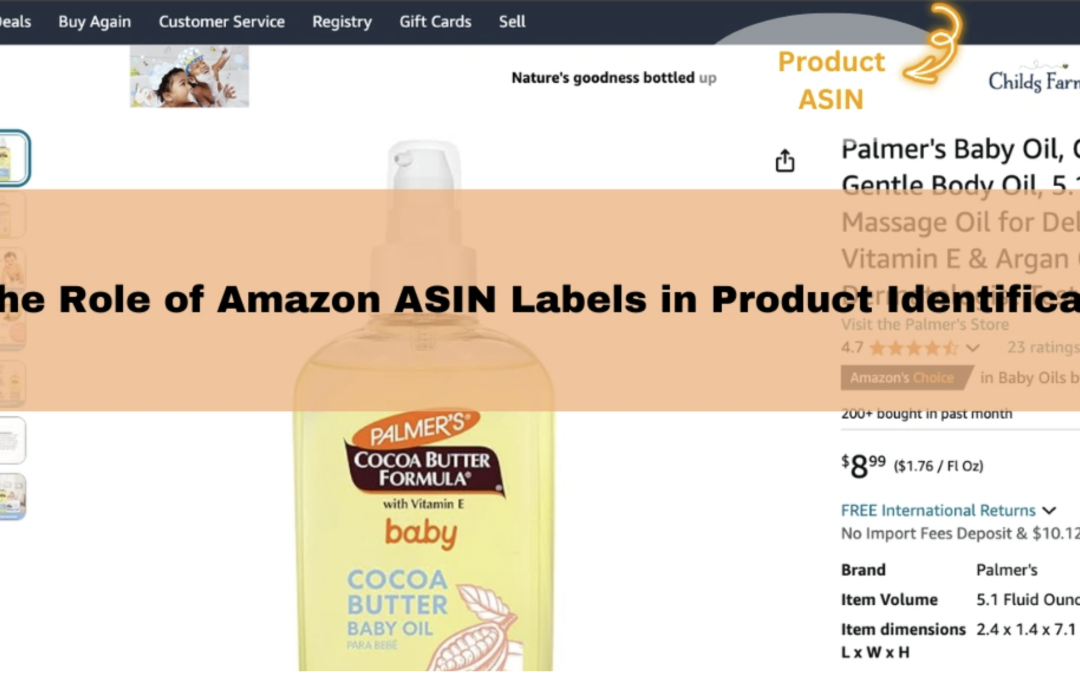
The Amazon marketplace is so big that you might have noticed something called ASIN while browsing through products. These unique product codes are the foundations of success for anyone selling or planning to sell on Amazon. The platform has grown bigger than Google as the primary destination for product searches, with more than 350 million products. Each item in this massive collection needs its own ASIN.
“Amazon Standard Identification Number” or ASIN is a unique 10-character alphanumeric code that Amazon assigns to every product in its store. You’ll notice these codes usually start with ‘B0’, while books begin with a number. Each marketplace has its own ASIN system, which means different national Amazon sites might use different ASINs for identical products. Amazon sellers should handle these codes carefully because incorrect usage could violate selling terms and lead to losing platform selling privileges.
This piece covers everything about ASINs – their meaning, location, creation requirements, and ways to manage them effectively. New sellers and experienced merchants who want to improve their Amazon business will find this knowledge valuable as the first step toward marketplace success.
What is an ASIN and what does it mean?
ASINs (Amazon Standard Identification Numbers) are the foundations of Amazon’s massive product catalog organization system. Rebecca Allen, an Amazon software engineer, created them in 1996 as the company grew beyond books and needed a better way to identify its growing product range.
Definition of ASIN
ASIN means Amazon Standard Identification Number – a unique 10-character code mixing letters and numbers that Amazon gives to every product in its marketplace. This identifier works like Amazon’s internal barcode system and helps the company track millions of products worldwide. ASINs work only in Amazon’s ecosystem, unlike universal product codes used by many retailers.
These identification numbers play vital roles in Amazon’s operations. They track products throughout the Amazon store and group similar offers on a single product page to make shopping easier. Sellers can also keep an eye on their stock levels and plan reorders better.
Amazon sellers need to know about ASINs because these codes link everything about their listings. From titles and prices to reviews and inventory – everything connects to a unique ID that Amazon’s systems can quickly find.
ASIN format and structure
ASINs use 10 letters and/or numbers in a specific pattern. Most product ASINs start with “B0” (non-book items), while books usually begin with a number. You might see ASINs like “B07FZ8S74R” or “0451524934”.
This mix of characters isn’t random at all. Amazon chose the 10-character format because their databases and software were already set up to handle 10-character ISBN fields for books. This meant they didn’t need big changes to work with the new format.
Each product variation gets its own ASIN. Different sizes, colors, or editions of the same product need unique identifiers. ASINs also appear in the URLs of Amazon’s product pages, which makes direct linking to specific products possible.
ASIN vs ISBN, UPC, and EAN
ASINs rule Amazon’s world, but other product identification systems exist in retail:
ASIN and ISBN relationship: Books with 10-digit ISBNs share the same number as their ASIN. Kindle editions need their own ASINs instead of using print edition ISBNs. Books published after January 2007 use 13-digit ISBNs, but Amazon still gives them 10-character ASINs.
UPC (Universal Product Code): America’s standard retail product identifier uses 12 digits. Stores use UPCs to track sales, and these codes contain details about product features like weight, type, and name. UPC codes often help create new ASINs on Amazon.
EAN (European Article Number): This 12 or 13-digit code is Europe’s version of the UPC. EANs are just like UPCs except for their first digit, which shows the country code. Many global sellers need EANs from manufacturers to list on Amazon.
GTIN (Global Trade Item Number): This term covers UPCs, EANs, and other global identifiers. Amazon often asks for GTINs to create new ASINs.
ASINs work only on Amazon, unlike these universal identifiers. Books are the only products with guaranteed universal ASINs. Other items might have different ASINs in different Amazon marketplaces around the world.
Sellers who understand these differences can better handle Amazon’s product identification rules and make sure their products show up where buyers can find them.
Why ASINs are important for Amazon and sellers
ASINs are the foundations of Amazon’s marketplace ecosystem. Amazon offers more than 350 million products, and these unique identifiers make the platform’s massive catalog work smoothly for both the company and its sellers.
Catalog organization and product tracking
ASINs are the building blocks of Amazon’s product reference catalog data structure. These codes work like digital fingerprints that help identify every product quickly across Amazon’s big network of warehouses and digital systems.
Amazon uses ASINs to catalog millions of products seamlessly. These unique codes help track inventory, monitor sales metrics, analyze marketplace data, and let customers find their favorite items easily. Managing such a huge product catalog would be impossible without ASINs.
ASINs help sync shipments between Fulfillment by Amazon (FBA) warehouses in the logistics chain. When a customer places an order, Amazon uses the ASIN to find the exact product in its fulfillment centers and ships it efficiently. It also helps Amazon spot fake products from genuine ones, which builds brand trust and keeps the catalog reliable.
Search and SEO relevance
ASINs substantially affect how easily customers can find products on the platform. Amazon ranks each product detail page by its ASIN. Unlike Google’s system where brands can build authority, Amazon makes proper ASIN management vital for visibility.
Sellers can improve their search rankings by optimizing ASIN listings. The key to ranking well is making sure your product shows up for relevant keywords. Your ASIN’s title, bullet points, and product descriptions should include strategic keywords that help customers find what they’re looking for.
Amazon’s search and recommendation algorithms need precise product identification through ASINs to show relevant search results and personalized recommendations. Better ASIN optimization can boost your product’s visibility and increase sales.
Inventory and listing management
ASINs make many parts of running an Amazon business easier for sellers. They help with accurate pricing, inventory updates, and tracking. Sellers can organize their e-commerce store better. They can also monitor how well products sell across different marketplaces.
ASINs connect to important inventory information including:
- Warehouse location and incoming shipments
- Pick-and-pack status and order routing
- Customer reviews and ratings for each listed item
- Sales performance metrics and inventory health
Good ASIN management helps avoid common seller issues. Amazon prohibits creating duplicate ASINs for products already in their catalog – doing so can get your ASIN creation or selling privileges suspended. Matching your products to existing ASINs when possible creates a better customer experience.
Selling experts say managing ASINs well isn’t just another task – it’s what makes an Amazon business profitable. Without a good system to handle ASINs, sellers often face stock problems, wrong listings, and inventory mix-ups that hurt their performance.
ASINs work as a common language between Amazon, sellers, and customers. Becoming skilled at using them brings better visibility, more sales, and better inventory control. They’re essential for success on Amazon.
How to find an ASIN on Amazon
Finding an ASIN becomes easy once you know the right spots to look. You can discover these unique identifiers in seconds with the right method, whether you’re checking out competition or managing your product listings. Here are four reliable ways to find any Amazon product’s ASIN.
Using the product URL
The quickest way to spot an ASIN is right in the product’s web address. Look for the code that comes after “/dp/” in any Amazon product URL. To name just one example, in www.amazon.com/dp/B08N5WRWNW, “B08N5WRWNW” is the product’s ASIN.
This works on every Amazon marketplace worldwide. Better yet, you won’t need to log in or get special access – just grab the code between “/dp/” and any question marks in the address bar. This comes in handy when you’re browsing competitor products and need ASINs quickly.
Checking the product details section
The product information area offers another simple way to find ASINs. Every Amazon product page has a “Product Details” or “Product Information” section at the bottom, whatever device you’re using.
This section lists product specs like dimensions, weight, and the ASIN. You’ll find it among other codes such as UPC, EAN, or ISBN where they apply. Just look for the “ASIN” label, and you’ll see the code right next to it.
This method works best when you’re already on a product page and need to double-check its unique identifier without messing with the URL.
Using Amazon Seller Central
Amazon sellers will find Seller Central the most complete way to handle ASINs. Log into your seller account, head to “Inventory,” and pick “Manage Inventory” from the dropdown.
The inventory management page shows all your listed products in a table. Each product’s ASIN stands out – usually under the product name or in its own column based on your settings. This dashboard lets you see all your ASINs at once without jumping between product pages.
Seller Central also helps track parent ASINs and their connections to child ASINs for products with different options like colors or sizes. Sellers with lots of SKUs will find this organized view makes inventory management much easier.
Third-party ASIN lookup tools
Dedicated ASIN lookup tools are a great way to get time back when you’re handling big catalogs or doing extensive competitor research. These tools help you search, verify, and export ASINs in bulk instead of one at a time.
These tools go beyond basic ASIN lookups by offering:
- Batch processing of multiple ASINs simultaneously
- Exporting ASIN data to spreadsheets
- Identifying related or complementary products
- Revealing sales rank and other performance metrics
Tools like AMZScout and Jungle Scout offer advanced features such as reverse ASIN lookup – showing which keywords bring traffic to specific ASINs. This helps you understand your competition’s strategy and make your listings better.
New sellers often love these tools for market research before creating listings since they show much more than just identification codes.
These four methods help you find any product’s ASIN in Amazon’s huge marketplace. Each one shines in different situations – from quick checks to complete seller management.
When and how to create a new ASIN
Choosing between an existing ASIN or creating a new one is a vital step in your Amazon seller experience. Your selling privileges could be affected by making the wrong choice, so knowing the difference matters for marketplace success.
When to use an existing ASIN
Your product needs to match an existing ASIN if it’s similar to one in Amazon’s catalog. This rule applies to items sharing the same brand, model, size, color, and exact specifications. The catalog stays clean and shoppers don’t get confused when sellers match existing ASINs.
Search using the product’s UPC, EAN, or ISBN in Seller Central’s “Add Products” tool before creating a new listing. You must match that existing ASIN if your search shows results. This becomes even more critical for retail or branded items other sellers already list on Amazon.
Amazon’s policies don’t allow duplicate ASINs for products in the catalog. Breaking this rule leads to serious problems – your listing might get suppressed, you could lose the Buy Box, or Amazon might suspend your selling privileges.
When to create a new ASIN
A new ASIN makes sense only when your product doesn’t exist in Amazon’s catalog. This typically fits:
- Private label products under your own brand
- Unique product bundles or multipacks with specific combinations
- Entirely new-to-market products
- Handmade or custom items that differ from existing listings
You’ll need several key details: a valid GTIN (unless exempt), product title, brand name, detailed description, bullet points, high-resolution images, pricing, and fulfillment method.
The process starts in Seller Central’s “Add a Product” section under Inventory. Select “I’m adding a product not sold on Amazon”. Amazon reviews your submission after you complete all required tabs and approves a new ASIN if everything checks out.
Using GTINs: UPC, EAN, ISBN
Amazon needs a Global Trade Item Number (GTIN) to generate a new ASIN. These global identifiers include:
- UPC (Universal Product Code): 12 digits, commonly used in the United States
- EAN (European Article Number): 13 digits, more common outside the US
- ISBN (International Standard Book Number): 10 or 13 digits, specific to books
Your product’s GTIN goes into the new listing process. Amazon checks if the product exists in its catalog and creates a new ASIN if needed.
Products without standard identifiers, like handmade goods, might qualify for a GTIN exemption through Seller Central. Your UPC or EAN must come from GS1, the official global standards organization. Amazon often rejects codes from resellers.
ASIN creation limits for new sellers
New sellers face limits on ASIN creation until they build a sales history. These limits reset every Sunday at 00:00 GMT.
List products that will sell quickly to expand your creation capacity gradually. Amazon might pause your ability to create new listings if you’ve made many ASINs without generating sales.
New ASIN approval times depend on your selling history and product category. Following Amazon’s guidelines helps avoid penalties and builds a strong marketplace presence.
Best practices for managing your ASINs
ASIN management is the life-blood of a successful Amazon business. Your products need proper ASIN management strategies after listing to maintain catalog integrity, improve performance, and boost overall sales potential.
Keep a record of your ASINs
A complete spreadsheet of all your ASINs will simplify inventory management. This hosted approach creates a centralized database where you can:
- Track performance metrics for each product
- Document any changes or issues that arise
- Group similar products by relevant categories
- Maintain accurate product information
Your ASINs should be organized by logical categories to view inventory quickly and make business decisions faster. This system becomes more valuable as your product catalog grows.
Monitor product performance
Your business growth depends on regular ASIN performance monitoring. Amazon’s ASIN Performance Alerts in Business Reports notify you about most important changes in your products’ metrics. Early users responded to fluctuations and took corrective actions within just 3 days on average—their reaction time was cut almost in half compared to manual monitoring.
These automated alerts can track:
- Sales performance changes
- Page view fluctuations
- Featured Offer percentage changes
Product Tracker tools offer complete solutions to monitor product performance over time and provide valuable metrics like average daily sales, price changes, and Best Seller Rank data. These monitoring systems help you make informed decisions based on accurate, real-time information.
Avoid duplicate listings
Amazon strictly prohibits creating duplicate ASINs for existing catalog products. This violation can result in temporary suspension or permanent removal of selling privileges. Customers find it difficult to search and make purchasing decisions with duplicate ASINs and split variations.
You should check your inventory regularly for potential duplicates. Amazon’s dedicated “Potential duplicates” page in Seller Central lets you review possible matches. You have 30 days to respond before an ASIN gets suppressed from search results after appearing on this page.
Use A+ content for brand enhancement
Brand-registered sellers can use A+ Content to improve their ASIN listings with compelling visuals and detailed information. This feature adds videos, enhanced images, comparison charts, and more to product detail pages.
Basic A+ Content can increase sales by up to 8%, while well-executed Premium A+ Content can boost sales by up to 20%. This enhanced content helps your brand’s story come alive by:
- Building brand awareness with engaging visuals
- Helping customers make informed purchasing decisions
- Creating dedicated Brand Stories that connect with shoppers
These ASIN management best practices will help maintain listing quality, prevent policy violations, and ended up driving better marketplace performance as your Amazon business grows.
Using reverse ASIN lookup for keyword research
Smart Amazon sellers go beyond simple ASIN management and tap into a powerful technique called reverse ASIN lookup to get ahead of competition. This strategy lets you look behind the scenes of winning product listings.
What is reverse ASIN lookup?
Reverse ASIN lookup helps you find which keywords bring traffic to specific Amazon product listings. The technique works differently from regular keyword research. You start with a competitor’s ASIN to see which search terms drive their sales. This approach helps you spot profitable keywords that already work well for similar products in your niche.
Tools for reverse ASIN lookup
You’ll need specialized tools to do reverse ASIN research:
- Helium 10’s Cerebro: Looks at up to 10 ASINs together and shows common keywords and unique chances
- Jungle Scout’s Keyword Scout: Creates keywords from competitor ASINs for your Amazon PPC campaigns
- MerchantWords ASIN+: Shows search volume data and estimates revenue for each keyword found
- AMZScout: Reveals competitor rankings for each keyword and their page position
Yes, these tools need subscriptions, but serious sellers see them as vital investments.
How it helps with SEO and ads
Reverse ASIN lookup makes your listing better by showing you keywords that actually sell products. This information helps you:
- Build better PPC campaigns that target keywords buyers use
- Make product listings better with terms customers search for
- Put your ad money where it counts – on keywords that convert
- Spot gaps in competitor strategies by looking at organic rank and search volume
Finding competitor keywords
Here’s how to research competitor keywords effectively:
- Pick successful competing products similar to yours
- Get their ASINs using methods we covered before
- Put these ASINs into your chosen reverse lookup tool
- Look through the keyword list for relevant terms with high volume
This method shows you exactly which terms put competitor products on Amazon’s first few pages. You’ll learn what works without guessing.
Conclusion
A deep grasp of ASINs can make or break your success as an Amazon seller. These unique 10-character codes are the DNA of every product listing and form the foundation of Amazon’s big catalog system. You might find it hard to direct yourself through Amazon’s marketplace or risk breaking policies without proper ASIN knowledge.
This piece has taught you about ASINs, their differences from other product identifiers, and their importance to Amazon and sellers alike. You now know how to find existing ASINs, when to create new ones, and ways to manage them for the best results.
Note that ASINs affect your product’s visibility, search ranking, and overall performance on the platform. Your selling operations will improve by a lot when you apply the best practices we covered – from keeping good records to tracking performance metrics.
Smart sellers make use of reverse ASIN lookup to learn about their competition and find profitable keywords. This advanced approach needs special tools but can really boost your listing optimization and advertising strategy.
ASINs may look like basic product codes at first. But they are the life-blood of Amazon’s entire marketplace ecosystem. Becoming skilled at using them helps you dodge common mistakes while boosting your products’ visibility and sales potential. Your long-term success on the marketplace depends on proper ASIN management, whether you’re new or growing your Amazon business.
FAQs
Q1. What exactly is an ASIN on Amazon? An ASIN (Amazon Standard Identification Number) is a unique 10-character alphanumeric code assigned by Amazon to every product in its marketplace. It serves as Amazon’s internal barcode system for tracking and organizing millions of products.
Q2. How can I locate the ASIN for a product on Amazon? You can find an ASIN in several ways: 1) Look in the product URL after “/dp/”, 2) Check the product details section on the listing page, 3) Use Amazon Seller Central if you’re a seller, or 4) Utilize third-party ASIN lookup tools for bulk searches.
Q3. When should I create a new ASIN versus using an existing one? Create a new ASIN only when your product truly doesn’t exist in Amazon’s catalog, such as for private label products or unique bundles. Use an existing ASIN when your product is identical to one already listed, including brand, model, size, and color.
Q4. Why are ASINs important for Amazon sellers? ASINs are crucial for catalog organization, product tracking, search visibility, and inventory management. They impact your product’s discoverability, sales performance, and overall success on the platform.
Q5. What is reverse ASIN lookup and how can it benefit sellers? Reverse ASIN lookup is a technique that allows you to discover which keywords drive traffic to specific product listings. It helps in competitive research, keyword optimization, and creating more effective PPC campaigns by revealing high-performing keywords with proven sales potential.

by yestupa | Feb 11, 2026 | Google Ads, Influencer Marketing, Meta/Facebook Ads, SEO
Many businesses struggle with traffic and lead generation. You’re not alone – 63% of companies identify this as their biggest marketing challenge. Awin’s affiliate marketing provides an effective solution. More than 80% of brands and publishers now utilize affiliate marketing to increase their revenue.
The affiliate marketing industry grows steadily. US spending increases by 10.1% annually, and experts project it to reach $6.8 billion by year-end. These numbers make sense since 97% of consumers look for deals while shopping online. Awin’s affiliate program adapts continuously with state-of-the-art technology. Their new platform uses proprietary AI that simplifies affiliate partnerships significantly. This detailed guide will help you become a profitable partner, whether you want to learn about Awin’s affiliate requirements or understand how their marketing system works.
What is Awin Affiliate Marketing and How Does It Work?
Awin is a leading global affiliate marketing network that brings advertisers and publishers together through performance-based marketing. Let’s look at how this ecosystem works and what it means for your business.
Understanding the affiliate model
Affiliate marketing is a performance-based strategy where publishers promote products and services for advertisers. Traditional advertising needs upfront payments, but the affiliate model works on a cost-per-acquisition (CPA) basis. Advertisers pay only when specific actions happen, like sales or lead generation.
The process is straightforward. Publishers use their websites or social profiles to promote products and get their audience to click unique affiliate links. When visitors click these links and take action on the advertiser’s site, tracking cookies identify the affiliate. This allows proper commission attribution. Businesses pay only for results, and studies show that 7.5% of all digital spending among retailers comes from affiliate marketing campaigns.
The numbers tell the story – 81% of brands now use affiliate marketing. Many marketers call it their top customer acquisition channel. This success comes from the model’s low-risk nature and high reward potential.
How Awin fits into the affiliate ecosystem
Awin is a vital intermediary in the affiliate marketing process. It manages tracking technology, handles payments, and builds relationships between publishers and advertisers. The platform supports over 25,000 brands and 260,000 active publishers worldwide in many industries.
Publishers can join Awin with a refundable USD 1.00 security deposit. They can browse advertiser programs through a user-friendly interface or Advertiser Directory. Once accepted into an advertiser’s program, publishers get promotional materials and tracking links to start driving traffic.
The platform’s dashboard includes advanced tools that track the customer’s experience and give detailed performance reports. Awin supports various commission structures beyond traditional sales-based payments:
- Cost-per-lead for customer sign-ups
- Payment for clicks or impressions
- Commission by Assist, which rewards publishers who influenced a sale even if they weren’t the last click
Publishers receive payments twice monthly, on the 1st and 15th, directly to their bank accounts.
Why Awin is a top choice for brands and publishers
Awin has become a premier choice for several reasons. The platform maintains high standards through careful publisher screening. Every user goes through a thorough approval process and must follow Awin’s code of conduct. This screening protects advertisers from paying commissions generated through questionable methods.
The platform’s global reach stands out. Publishers can tap into a network covering more than 180 countries across 17 different markets. Brands can expand their reach without dealing with each market’s complexities on their own.
Awin’s innovative tools make it unique. Their AI-powered Partner Discovery tool gives daily recommendations that match specific marketing goals. Brands can use in-depth funnel and journey path reports to understand how customers find them online. These tools help achieve an impressive average return of USD 14.00 for every USD 1.00 invested.
The platform offers value through customizable payment models. Brands can create incentives based on influence, purchase value, clicks, or specific actions. This flexibility, plus dedicated account management and advanced technology, makes Awin an ideal partner for businesses looking to grow their affiliate marketing efforts.
Common Challenges in Affiliate Marketing
Affiliate marketing with networks like Awin offers promising opportunities, but you’ll face several challenges that could affect your success. Let’s look at how you can deal with these obstacles and maximize your earnings.
Commission disputes and fee structures
The awin affiliate program often faces payment disputes that frustrate publishers. Brands decline payments too easily, which makes income uncertain. Some merchants lure new affiliates with attractive commission rates, then lower them later. This practice makes it hard to plan your finances.
You need detailed documentation for transaction disputes on Awin. Some programs require publishers to show written proof within five business days after a declined sale. In spite of that, certain programs state that publishers “shall not have a right to challenge the decline of sales”. This puts affiliates at risk.
The risks go both ways. Some affiliates charge too much while merchants might change commission structures without warning. Managing multiple affiliate relationships adds to your costs through setup and maintenance fees.
Inconsistent traffic and income
Awin affiliate marketing comes with unpredictable traffic patterns. One day might bring dozens of customers, the next day none. This pattern can last for months, making it hard to predict your income.
Technical problems make things worse. Browsers now block third-party cookies, which disrupts awin affiliate tracking systems that depend on them. Awin tries to solve this with their Conversion Protection Initiative, but publishers must stay alert to changes in tracking technology.
Tracking differences between affiliate networks and internal analytics create problems like:
- Wrong commission payments from misattributed sales
- Less confidence in performance metrics
- Marketing strategy optimization issues
- ROI measurement problems
Risks of false advertising and hijacking
Compliance stands as the most important concern in how does awin affiliate marketing work. People often misunderstand what activities they can do, which leads to compliance problems. Each advertiser has different rules about traffic brokering, keyword buying, and incentivized traffic.
Different interpretations of terms create confusion. Words like “ad hijack,” “cookie spam,” or “fake click” mean different things to different people, companies, and markets. This leads to misunderstandings between affiliates and advertisers.
Some affiliates try questionable tactics to earn commissions, including misleading ads. These tactics can hurt the merchant’s reputation when customers get products that don’t match the promises. Dishonest people might also steal commissions by hijacking affiliate links.
Traffic resellers must ensure their sources follow the rules. This becomes crucial with traffic brokering where original content sites remain hidden. You must also show you’re actively stopping your promotional codes from appearing on problematic pages.
Understanding these challenges helps you build better safeguards while meeting the awin affiliate requirements for successful partnerships.
Key Benefits of the Awin Affiliate Program
The awin affiliate program has grown remarkably due to several advantages that help both advertisers and publishers. Affiliate marketing spending reached £627 million in the UK alone during 2020. The global market projects a 10% rise over the last several years. These numbers show why understanding these benefits matters to anyone who wants to maximize their digital marketing efforts.
Performance-based payment model
The awin affiliate marketing model works differently from traditional advertising. You don’t need to pay upfront without knowing the returns. Payment happens only when you get results—usually a sale or lead. This approach will give a budget-friendly and low-risk marketing strategy.
The platform lets you choose from various commission structures:
- Standard cost-per-acquisition (CPA) for completed sales
- Cost-per-lead (CPL) for form completions or subscriptions
- Cost-per-click (CPC) options for banner/creative engagement
Awin’s cross-device tracking solution watches customers as they move between devices. This feature helps learn about behavior and purchase patterns. Informed decisions help optimize campaigns for better ROI since performance marketing focuses on returns in every strategy.
Access to a wide network of quality publishers
Advertisers who join the awin affiliate network get immediate access to global publishers worldwide. The platform connects with over 15,500 advertisers from different industries. This connection helps expand your reach effectively.
Awin stands out because of its strict publisher qualification criteria. Each partner goes through detailed vetting before acceptance. This process ensures your brand connects only with quality promotional partners. High standards stay consistent throughout the network thanks to this careful selection.
Built-in compliance and fraud protection
Awin invested seven figures in its compliance team and proprietary tools. This investment puts them at the vanguard of affiliate industry compliance. Their detailed Compliance Management System protects responsible corporate governance based on integrity and lawful conduct.
The platform uses a three-stage compliance process:
- Original application screening with automated systems that cross-reference dozens of parameters
- Program joining verification
- Ongoing promotion monitoring
These steps protect advertisers from paying for suspicious sales. Publishers also stay protected from having their cookies overwritten by other publishers’ activities. The global affiliate channel’s value of USD 17.00 billion makes this protection vital for ethical operation.
Support from a global team of specialists
Awin provides detailed human support through dedicated account managers alongside its technology. This expert guidance helps especially when you have businesses new to how does awin affiliate marketing work.
The core team helps with program setup and optimization. Small businesses entering the digital world find this support reduces their stress. Publishers meeting the awin affiliate requirements get educational resources and community events that encourage collaboration.
Awin creates an environment where advertisers and publishers thrive with minimal risk and maximum growth potential through performance-based payments, quality partnerships, resilient protection, and expert support.
Tools and Features That Drive Success on Awin
Successful awin affiliate marketers use various powerful tools and features to increase their profits. These specialized resources help them optimize campaigns, track performance at different points, and automate repetitive tasks.
Cross-device tracking and voucher attribution
Customers switch between devices during their shopping. Awin’s cross-device tracking solves this by creating an anonymous user profile when consumers shop on advertiser websites. The profile links activity on all devices, which ensures publishers get credit even when customers browse on mobile but buy on desktop. The system securely hashes user IDs (typically email addresses) without revealing personal information.
Voucher attribution enables cookie-less tracking by attributing sales through voucher codes. This smart approach solves several problems:
- Gets around privacy restrictions and adblocking software that stop cookie tracking
- Makes it easier to work with influencers who avoid technical setup
- Stops voucher code leaks through exclusive code assignment
Affiliate Sales API and data integration
The awin affiliate program provides robust API endpoints that simplify program management. These APIs connect different systems directly and eliminate manual work that wastes time and creates errors.
The key API features include bulk link building that saves time in creating deep links for multiple products. The transaction validation API links Awin transactions with internal validation systems and processes sales confirmations and rejections automatically. Publishers can create customized analytics and focus on strategy instead of administrative work.
Landing page and CTA optimization
Landing pages must meet buyer expectations to maximize conversions in awin affiliate marketing. Publishers who promote your products with specific messaging should have landing pages that match those promises.
Your call-to-action should appear prominently above the fold and repeat at key points throughout the page to catch users at different decision stages. The Awin interface lets publishers see each advertiser’s CAVE data (Conversion rate, Approval percentage, Earnings per click, Validation period) to compare performance with other publishers.
Working with super-affiliates and influencers
Understanding how does awin affiliate marketing work with top performers is vital. Look for audience engagement rather than size when identifying potential super-affiliates. Publishers with highly engaged followers often get better results even with smaller audiences.
Awin offers different commission structures for various partner relationships, including payment on influence that rewards publishers who helped make a sale without getting the last click. The platform’s detailed tracking gives compelling performance data to top affiliates, which creates better incentives to work with your brand.
Setting Up and Managing Your Awin Affiliate Program
Starting your awin affiliate program takes careful planning and execution. Here’s how you can set up and optimize your program to work well.
Awin affiliate requirements and onboarding
The awin affiliate program has simple eligibility requirements. You must be at least 18 years old and own a promotional space such as a website, blog, or social media channel. The application process has a sign-up form where you provide accurate details about yourself and your promotional platform. Applications go through an up-to-the-minute automated review, while manual reviews take up to two business days. Your account needs verification after approval, and you’ll need to provide tax information and bank details to process payments.
Creating and optimizing your product feed
A well-laid-out product feed acts as the foundation of successful awin affiliate marketing. Publishers use this feed to learn about your products, prices, colors, and other relevant features. Publishers can’t showcase your offerings effectively without a quality feed on their platforms. Your feed needs proper file formatting (XML or delimited text) and complete column descriptions for product attributes.
Avoiding common feed errors
The four common feed errors are invalid address errors in manual feed uploads, file retrieval problems, special characters in XML feeds, and wrong file location or type. You can spot potential issues like missing prices, descriptions, images, or names through the Awin interface’s feed health report. Most of these problems can be fixed quickly by using lookup tables and combining attributes.
Running activation campaigns for underperforming affiliates
Engagement Triggers automate communication with publishers based on their performance metrics. You can reach out to congratulate high-performing publishers, guide underperforming ones, and restart stagnant partnerships. The triggers work based on clicks, sales, or commission earned, and target specific publisher types. These automated campaigns help you identify non-performing affiliate relationships and build stronger functional ones. Your advertiser portfolio becomes more manageable and productive as a result.
Conclusion
Awin’s affiliate marketing platform paves the way for publishers and advertisers to expand their digital presence. This piece shows how Awin’s performance-based model eliminates upfront costs and maximizes returns. The platform’s strict quality controls connect you with reputable partners that match your brand values.
You might face challenges like commission disputes, traffic inconsistencies, and potential fraud. But Awin tackles these issues with advanced tracking technologies and resilient compliance systems. This lets you grow your business without worrying about technical issues or unethical practices.
What sets Awin apart is its detailed toolset. The platform’s cross-device tracking, voucher attribution, and powerful APIs simplify campaign management and deliver precise performance data. These tools help you track how customers find and interact with your offers at various touchpoints.
The signup process needs you to meet simple eligibility requirements and create a well-laid-out product feed. Your approval gives you access to thousands of potential partners worldwide. You can then use engagement triggers to build productive relationships with top affiliates while spotting those who underperform.
Awin’s program goes beyond being just another marketing channel. It offers a strategic collaboration with minimal risk and most important growth potential. The platform gives brands seeking new customers or publishers wanting to monetize their platform the infrastructure, support, and security needed to thrive in today’s digital marketplace.
FAQs
Q1. How does Awin’s affiliate marketing program work? Awin connects advertisers with publishers through a performance-based model. Publishers promote products using unique affiliate links, and when visitors click these links and complete desired actions on the advertiser’s site, the publisher earns a commission. Awin manages tracking, payments, and relationships between parties.
Q2. What are the key benefits of using Awin for affiliate marketing? Awin offers a performance-based payment model, access to a wide network of quality publishers, built-in compliance and fraud protection, and support from a global team of specialists. These features help both advertisers and publishers maximize their potential for growth with minimal risk.
Q3. How can I optimize my product feed on Awin? To optimize your product feed, ensure proper file formatting (XML or delimited text), include comprehensive column descriptions for product attributes, and regularly check the feed health report in the Awin interface. Address common issues like missing prices, descriptions, images, or names to improve your feed’s effectiveness.
Q4. What tools does Awin provide to track performance across devices? Awin offers cross-device tracking that creates anonymous user profiles to connect activity across devices. This ensures publishers receive credit even when customers browse on one device but purchase on another. Additionally, Awin provides voucher attribution for cookie-less tracking based on voucher codes.
Q5. How can I manage underperforming affiliates on Awin? Awin’s Engagement Triggers feature allows you to automate communication with publishers based on their performance metrics. You can set up triggers to reach out to underperforming affiliates, offer guidance, and reactivate stagnant partnerships. This helps identify non-performing relationships and strengthen productive ones, making your advertiser portfolio more manageable.